
We are currently undergoing a psychedelic renaissance. The number of people who use psychedelics for self-improvement purposes is rapidly growing by the day. Taking low doses of psychedelics (“microdosing”) can enhance creativity, boost physical energy levels, increase emotional well-being, and promote mental flexibility. A non-minor number of people also claim that microdosing helps them with anxiety, depression, and addiction.
Personal experience of a friend
Over the last five years, “a friend” has microdosed about 50-100 times. Most of the time, he did not follow a specific schedule but played it by ear, ranging from once weekly to once every couple of months.
During a six-month-long world trip, he microdosed regularly every third day. This has brought him immense joy and enhanced his ability to savor his trip (no pun intended) more fully. However, other than giving him a number of beautiful days, he has not observed any positive long-term changes that some other people seem to report.
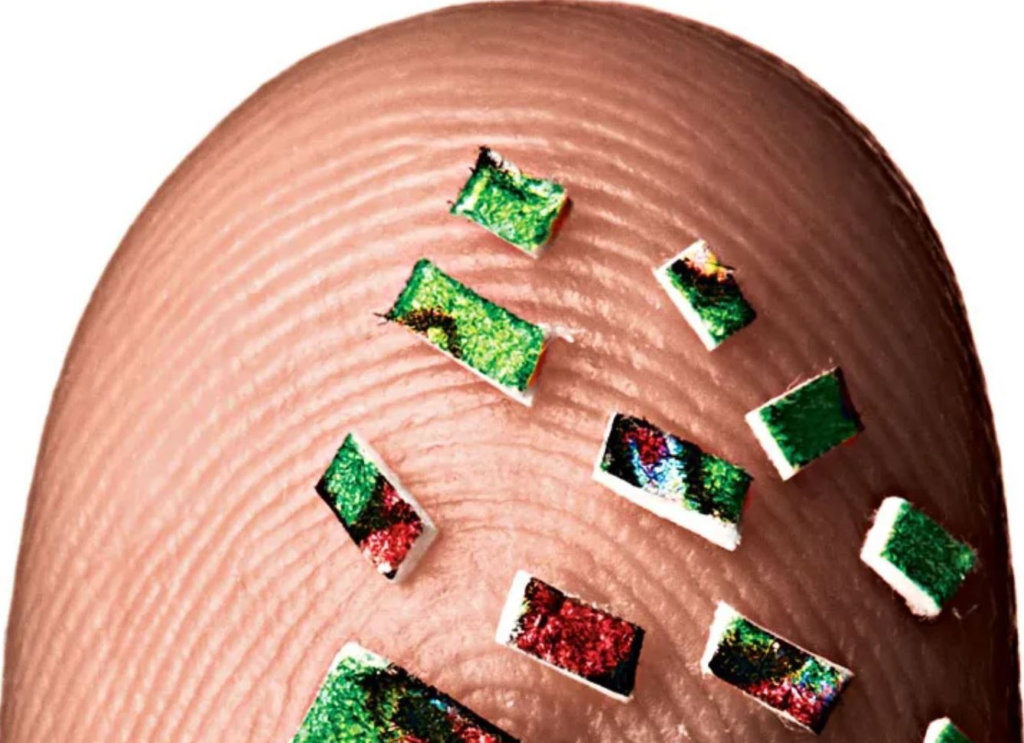
His usual microdose is about 10mcg LSD-equivalent (0.25g of dried mushrooms). This allows him to function “normally” while still enjoying the mood-boosting, wakefulness-promoting, creative, and immersive effects of the molecule. More rarely, he use so-called “museum doses” (20-40mcg LSD equivalent), which he may enjoy while being in nature, at a museum, visiting a new city, or hiking either with friends or by himself.
On psychedelics, he is present, energetic, emotional, driven, compassionate, curious, and creative. This is close to his ideal state and for a long time, one of his goals had been to reverse engineer some of these features in a way that his “baseline” approximates them.
Until recently, LSD was his psychedelic of choice. However, for some reason, LSD makes him feel more tired than normal for one or two days after. Furthermore, its long duration of action hampers his sleep.
Because of this and other reasons, he switched to psilocybin. Currently, he takes a medium-sized dose of psilocybin (ca. 1g of dried mushrooms) about once per month, sometimes alone, and sometimes with good friends. For him, psilocybin is less stimulating, has a shorter duration of action, and is also less prone to reduce his baseline vitality the day after.
In terms of neurplasticity, LSD is about twice as strong for the same “felt” dose. Said another way, 10mcg of LSD has about twice the effect on neuroplasticity than 0.25g of dried shrooms even if they feel about equally strong.
How it works
Psychedelics such as psilocybin or LSD work on the serotonin system. Serotonin plays a vital role in fear, mood, memory, appetite, sleep, pain perception, and sexual desire. Furthermore, it modulates various aspects of sensory perception. Serotonin is more thoroughly discussed here: A Brief Introduction to Neurotransmitters.
Psychedelics are agonists at a specific serotonin receptor, the 5HT2A receptor, also dubbed “the door to perception”. The 5HT2A receptor is an excitatory GPCR, linked to the Gq-signaling pathway. When the 5-HT2A receptor is activated throughout the nervous system, many of the above-mentioned functions of serotonin are altered.
Subscribe to the Desmolysium newsletter and get access to three exclusive articles!
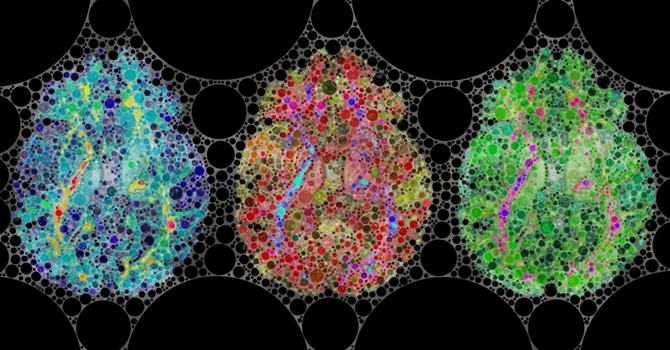
On psychedelics, the activity of key brain circuits involved with sensory perception and cognition is modified. Among other things, connectivity between different neocortical areas is increased, even in areas that normally do not communicate much. It is thought that this is part of the reason psychedelics can enhance creativity and lateral thinking abilities.
Downstream of 5HT2A-activation, psychedelics also potently increase glutamate, noradrenaline, and cortisol, all of which contribute to greater energy levels and alertness. Also, levels of ADH and oxytocin increase, both of which contribute to the feeling of openness and warmth.
In sum, the increased serotonergic tone and the ensuing neurobiochemical cascade generate a “here-and-now-feeling”, a state of contentment, heightened mood, and a more entropic mind.
Regular microdosing is known to downregulate 5HT2A receptors. Anecdotally, for some people, this is a good thing, whereas for others it can actually worsen depression and energy levels.
At low doses (microdosing), psychedelics do not disrupt the default mode network much, and therefore, microdosing experiences are somewhat different from larger doses of psychedelics. I discuss larger doses of psychedelics, my experience with them, and how they are thought to work in the brain, in more detail here.
A friend recently brought up that almost all psychedelics seem to strongly agonize the 5HT2B receptor. Medications that agonize that receptor (e.g., ergot derivatives) tend to cause valvulopathy (degeneration of heart valves), so until explicit evidence to the contrary emerges, taking psychedelic microdoses often may also increase the risk of developing valvulopathy.
Microdosing can enhance certain kinds of intelligence.
The ”natural” habitat of the human species is the social domain. Therefore, many features of the human brain and mind are adaptations to social problem-solving. And if we define intelligence as “the ability to learn or understand or to deal with new situations”, one could argue that emotional intelligence (EQ) is no less important than analytical intelligence (IQ).
As the philosopher David Pearce points out, IQ tests are a better measure of high-grade autism than “true” intelligence because IQ tests critically neglect creative, practical, social, and emotional intelligence.
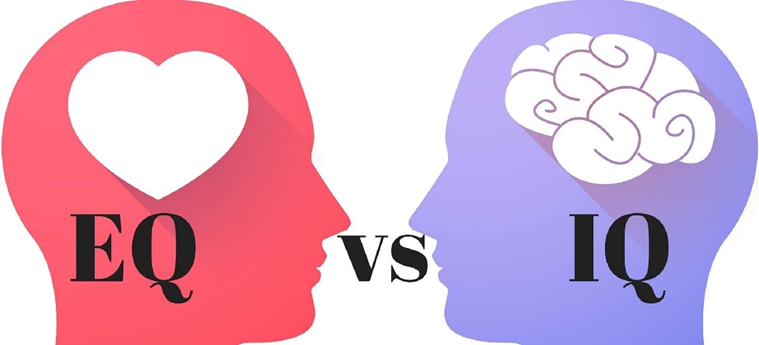
Thus, if we define intelligence as “the ability to learn or understand or to deal with new situations”, molecules that enhance the capacity for creativity, empathy, introspection, and social skills may be better “smart drugs” than conventional smart drugs, which tend to make users more stupid in areas not related to analytical intelligence, as stimulants rarely make people warm, relaxed, and socially empathetic.
Therefore, low doses of psychedelics are a welcome addition to humanity’s arsenal of “conventional” (dopaminergic) stimulants.
Other experience reports
For a discussion of the molecular correlates of well-being, and links to accounts of various related molecules I have experimented with, read here.
For a full list of experience reports click here.
Sources & further information
- Anecdotes: Reddit – r/microdosing
- Scientific review: The therapeutic potential of microdosing psychedelics in depression
- Scientific review: Psychedelic microdosing benefits and challenges: an empirical codebook
Disclaimer
The content available on this website is based on the author’s individual research, opinions, and personal experiences. It is intended solely for informational and entertainment purposes and does not constitute medical advice. The author does not endorse the use of supplements, pharmaceutical drugs, or hormones without the direct oversight of a qualified physician. People should never disregard professional medical advice or delay in seeking it because of something they have read on the internet.