
Vitality is affected by many things which I extensively discuss on my blog. These include metabolic health, hormones, inflammation, diet, exercise, and sleep, among other things. Each of these domains is important, and each is modifiable to varying degrees through lifestyle choices, pharmaceutical interventions, or behavioral change.
However, every one of these discussions has implicitly assumed a background variable that I have largely unaddressed: genetics.
The central argument is straightforward but often underappreciated: just as body weight, intelligence, the capacity to build muscle (consider the genetic outliers who become IFBB professional bodybuilders), or longevity are all strongly influenced by inherited genetic variation, so too is vitality.
Some individuals can do everything “right” (impeccable diet, optimized sleep, rigorous exercise, pharmaceutical interventions) and still experience below-average energy levels, simply because their genetic makeup places a relatively low ceiling on what lifestyle can achieve. Conversely, other individuals can do many things “wrong” (shitty diet, poor sleep, minimal exercise, regular alcohol consumption) and still display striking levels of energy, motivation, and resilience, because their genetics cover them.
To put this in quantitative terms: consider an individual at the 5th percentile of genetic vitality. Even with an impeccable lifestyle, such a person might only reach the 25th percentile of vitality (energy levels, mood, motivation). Now consider someone at the 95th percentile of genetic vitality. Even with a mediocre or actively harmful lifestyle, this person might still operate at the 75th percentile or above. The gap between these two individuals, after both have optimized (or neglected) every modifiable factor, is entirely genetic.
The single most effective thing one can do to guarantee great energy, mood, motivation, metabolism, cognition, physique, and longevity is to pick the right parents.
This is not to say that lifestyle, hormones, and pharmaceuticals are unimportant. They clearly matter, often enormously. Rather, the point is that these interventions operate within a window whose size, position, and ceiling are defined by inherited genetic variation.
Twin studies have consistently demonstrated that subjective well-being (a construct closely related to vitality) has a substantial heritable component. Similar things hold true for personality traits.
Familial natural short sleeper phenotype
Perhaps no genetic phenotype illustrates the concept of genetically determined vitality more vividly than familial natural short sleep (FNSS). Familial natural short sleepers are individuals who consistently sleep only 4 to 6 hours per night and wake feeling fully rested. Crucially, they do not seem to suffer the cognitive, metabolic, or emotional consequences that afflict normal sleepers who are restricted to the same duration. They comprise approximately 1–3% of the population, and their phenotype is strongly familial, suggesting a genetic basis. Multiple genes have been found that converge to a similar phenotype, such as a gene involved in the Circadian rhythm (DEC2), a beta adrenergic receptor (ADRB1), or the NPS receptor (NPSR1), a neuropeptide involved in wakefulness.
What makes FNSS particularly illuminating for a discussion of genetic vitality is that the phenotype extends far beyond reduced sleep need. I discuss my experience with dating a (probably) familial short sleeper here.
Familial short sleepers are known to have enhanced memory recall, an outgoing personality, lower body mass index (presumably due to a favourable sympathetic tone) and greater stress resilience. Some natural short sleepers, particularly during puberty, are diagnosed with hypomania (a sustained state of elevated mood, energy, and productivity that falls short of full mania).
Some people are just born lucky
There is a saying in pharmacology: “What goes up must come down.” This is broadly true for neuropharmaceuticals. Stimulants elevate dopamine and norepinephrine acutely, but compensatory downregulation, tolerance, and withdrawal inevitably follow (as discussed here). The stimulant user borrows energy from the future and must eventually repay the debt, sometimes with interest. However, this principle does not apply to genetics.
People with the “right” combination of genes never came “up” because they were born at an elevated baseline. A combination of their dopaminergic tone, noradrenergic activity, cortisol regulation, mitochondrial efficiency, and circadian architecture are constitutionally set at levels that would require pharmacological intervention (with all its attendant costs) for others to reach even transiently. There is no rebound, no tolerance, no withdrawal, because the elevated baseline is the organism’s natural equilibrium.
For example, the dopaminergic tone of the mesolimbic reward system, which underlies motivational drive, novelty-seeking, and to a certain degree also the subjective experience of energy, is itself highly heritable. I, for example, consider myself as someone to have a genetically high dopaminergic tone. I am always motivated (and always have been) even though I do not have a central “why” or “purpose”. Sure, early childhood adverse experiences instilling the belief that “I am not good enough the way I am” may motivate me additionally, but I believe that the largest share behind my motivation is biological rather than learned through experience.
Similarly, some people just have naturally great and clear skin no matter how much they party or how much junk or dairy they eat.
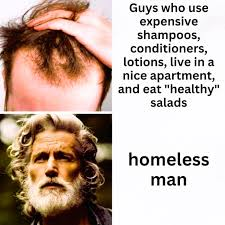
What do intelligence, longevity, and vitality have in common?
The genetics of longevity provide a powerful parallel to the genetics of vitality. Many supercentenarians (individuals who live past 110 years of age) reached their extreme age not because of impeccable lifestyle choices. Some of them drank alcohol regularly, smoked for decades, or consumed diets that would appall any nutritionist.
If genetics can determine whether someone dies of cardiovascular disease at 55 or lives disease-free to 110, it is not a stretch to accept that genetics also determine (in large part) where someone sits on the vitality spectrum. The same principles apply: polygenic architecture, gene-gene interactions, gene-environment interactions, and the compounding effects of small genetic advantages across many biological systems.
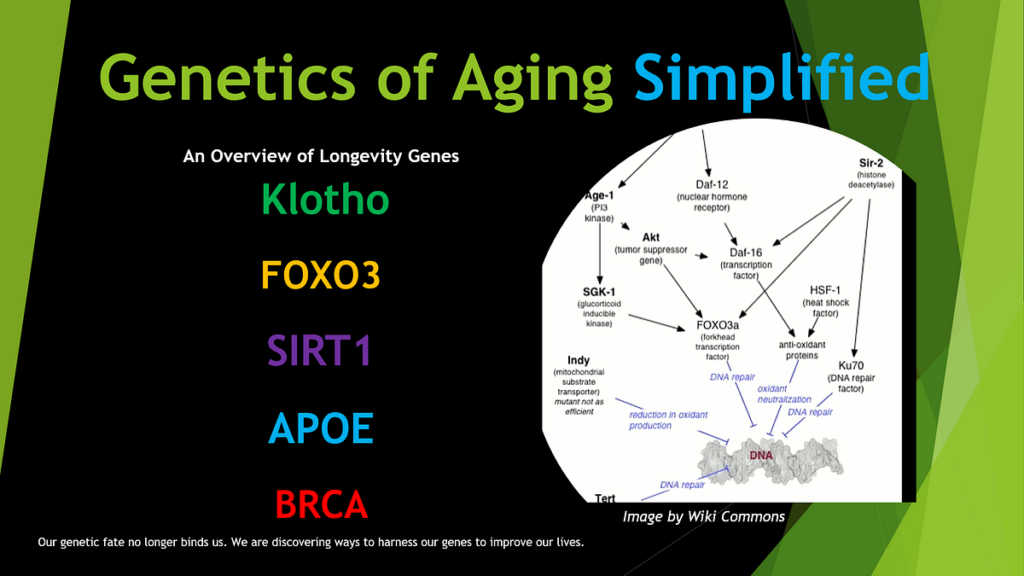
Another example, intelligence. Like intelligence, vitality is a highly polygenic trait. I discuss intelligence in more detail here: How I Biohack Intelligence. This means that no single gene accounts for more than a tiny fraction of the variance. Instead, the phenotype emerges from the additive (and interactive) effects of hundreds or thousands of genetic variants, each contributing a small amount.
The situation is likely analogous for vitality: the genetic underpinnings involve vast numbers of variants, many of which individually have effects too small to detect with current sample sizes.
An important corollary is that, similar to intelligence, there are probably many different combinations of genes that all lead to a similar phenotype of high vitality. One person’s high energy might derive primarily from exceptional dopaminergic tone and efficient circadian rhythms. Another’s might derive from outstanding mitochondrial function and a genetically anti-inflammatory constitution. A third’s might reflect exceptionally favorable hormonal setpoints and robust stress resilience. The convergent phenotype (high vitality) can emerge from divergent genetic architectures.
This framework that genetics underlie a large amount of vitality has important implications for biohacking. Biohacking can meaningfully shift one’s position within the genetic range, and for many people, the difference between the bottom and top of their range is substantial enough to be life-changing. However, biohacking cannot reliably move someone outside their genetic range,. An individual at the 5th percentile of genetic vitality who deploys every available lifestyle, hormonal, and pharmacological intervention may end up feeling significantly better than they did before, but they are unlikely to match the baseline state of someone born at the 95th percentile who does nothing in particular to optimize.
Some people who are genetically highly vital and sleep for 6h a night without much adverse effects may give advice such as “to reach success you just need to grind more!”, without realizing that most people cannot grind as hard as they do without burning out.

Vitality ultimately comes down, at least partly, to gene expression in the central nervous system (CNS). The subjective experience of energy, motivation, alertness, and mood is generated by patterns of neuronal activity in the brain, which are themselves determined by the molecular composition of neurons, their synaptic connections, and the signaling molecules they produce and respond to. All of these are products of gene expression.
Importantly, CNS gene expression is not static. It is dynamically regulated by circadian rhythms, hormonal fluctuations, nutritional status, immune signals, and epigenetic modifications. This dynamic regulation is the mechanism through which lifestyle interventions (exercise, sleep, diet, stress management) influence vitality: they alter CNS gene expression in ways that shift neuronal activity patterns.
Candidate genes and mechanisms
- Genes involved in neurotransmitters. Neurotransmitter systems are central: dopamine regulates motivation and reward (DRD2, DRD4, DAT1/SLC6A3, COMT), serotonin shapes mood and stress sensitivity (SLC6A4, HTR1A, HTR2A), and norepinephrine governs alertness (DBH, SLC6A2). The balance between excitation and inhibition in the brain also matters (GABRA2, GABRG2, GRIN2A, GRM3). The genes listed above are known to have polymorphisms.
- Genes involved in hormone regulation. Hormonal axes set baseline physiological tone. Stress response and recovery are influenced by the HPA axis (NR3C1, CRH, FKBP5), while sex hormones affecting energy and body composition are modulated by AR and SHBG. Thyroid function, which determines metabolic speed, depends on genes like DIO1, DIO2, and thyroid hormone receptors.
- Genes involved in mitochondrial activity. Cellular energy production depends on mitochondrial efficiency, shaped by both mitochondrial DNA and nuclear-encoded mitochondrial genes. Circadian rhythm genes regulate sleep timing and energy stability (CLOCK, BMAL1/ARNTL, PER1/2/3, CRY1/2).
- Genes involved in inflammation. Inflammation also plays a role: pro- and anti-inflammatory signaling (IL6, TNF, IL1B, TLR4, IL10) influences fatigue.
- Genes involved in neuroplasticity. Neuroplasticity and cognitive resilience are supported by BDNF, while overall vulnerability to low energy states is shaped by the polygenic architecture of depression.
But I am sure there are countless other candidate systems and genes, affecting energy homeostatis, sympathetic tone, brain wiring, ion handling, etc.
Direct-to-consumer genetic testing services (such as 23andMe and others) can provide some information about individual genetic variants relevant to vitality, including COMT status, 5-HTTLPR genotype, APOE allele status, and circadian clock gene variants. I discuss my own genetic test results here: What Genetic Tests Told Me About My Health & Longevity
Polygenic risk scores (PRS) for traits such as depression, BMI, longevity, and chronotype can offer a statistical glimpse into one’s genetic predisposition. However, the practical utility of current genetic testing for predicting vitality is limited, because vitality is influenced by thousands of variants (most of which have likely not yet been identified), by complex gene-gene interactions, and by gene-environment interactions that are poorly understood.
Implications
Perhaps the most important practical implication of genetic vitality is the calibration of expectations. If an individual has tried everything (optimized sleep, rigorous exercise, excellent diet, hormone optimization, pharmaceutical interventions) and still feels that their energy levels are merely “adequate”, this may simply reflect the ceiling imposed by their genetic makeup. This realization can be depressing but also liberating because it shifts the focus from frustration and self-blame to acceptance and strategic optimization within one’s actual range.
Not everyone can bound out of bed at 5 AM bursting with energy after five hours of sleep in the same way that not everyone can become a world class athlete. And that is not a personal failing but rather a genetic reality.
As said above, the advice “just wake up earlier and grind harder” often comes from individuals whose genetic endowment makes this strategy feasible for them whereas for others, the same approach would lead to burnout.
Conclusion
In sum, genetics is the single most important, and yet most frequently overlooked, determinant of vitality. Through variation in neurotransmitter signaling, hormonal axis setpoints, mitochondrial efficiency, circadian architecture, inflammatory tone, neuroplasticity, and resilience to depression, inherited genetic variation defines the range within which an individual’s energy, mood, and motivation can fluctuate. Lifestyle, hormones, and pharmaceuticals can shift one’s position within this range (sometimes substantially), but they cannot reliably transcend it.
No amount of sleep optimization, stimulant use, or biohacking by a genetically average individual can presumably replicate the phenotype of familial short sleepers. At least not with currently available interventions.
Exercise, sleep, diet, stress management, hormonal optimization, and pharmacological interventions all work, and for many people, the difference between the bottom and top of their genetic range is the difference between dysfunction and flourishing.
Vitality, like intelligence, like body weight, like longevity, is substantially inherited. Some people are born lucky. Even though we are in the medically advanced 2026, the best biohacking protocol in the world is still inferior to the right parents. But for those of us who did not win the genetic lottery outright (including me), a great deal can be done.
Disclaimer
The content available on this website is based on the author’s individual research, opinions, and personal experiences. It is intended solely for informational and entertainment purposes and does not constitute medical advice. The author does not endorse the use of supplements, pharmaceutical drugs, or hormones without the direct oversight of a qualified physician. People should never disregard professional medical advice or delay in seeking it because of something they have read on the internet.