
Substance addiction is widespread, and often, from the outside, other people cannot tell that someone is an addict. Even “light” addictions can be quite disruptive to well-being, productivity, life enjoyment, and society.
Addiction is not solely an issue of socioeconomically disadvantaged individuals. Modern society is probably full of high-functioning drug addicts, and a ton of successful individuals are known to be dependent on a variety of drugs, including amphetamines, benzodiazepines, alcohol, and opioids.
Besides their addictive properties, I discuss the downsides of various drugs in more detail here.

Whatever their background, for many people with an active addiction, their addiction is their worst habit that is rippling through pretty much every aspect of their life. And if people stop their worst habit, their inner and outer life tend to make a huge leap forward. However, coming off is not so easy, in fact, can be brutal.
Furthermore, through a web of intertangled feedback mechanisms, pretty much every addiction leads to a recalibration of the “hedonic setpoint” and the intense euphoria and high from the beginning ceases to deliver, which is usually followed by dose escalation, accompanied with a reduced hedonic tone during daily life.
Subscribe to the Desmolysium newsletter and get access to three exclusive articles!
Strategy #1: Focusing on vitality
When energy levels and mood are poor, so is motivation. Vitality has a lot to with lifestyle choices.
Among these are:
Obviously, doing the basics is simple but difficult. Nonetheless, focusing on these also gives structure to your day, which is helpful for coming off.
For more: A Short List of Biological Interventions That Improved My Life
Strategy #2: Tapering and/or switching to a weaker replacement drug
Firstly, it is always wise to taper and/or switch to a drug with a similar mechanism of action but weaker effects. Both strategies help with withdrawal and reduce cravings.
For example:
- switching from coffee to black or green tea
- switching from THC to CBD oil
- switching from benzodiazepines to gabapentinoids
- switching from cocaine to modafinil (which binds to the same DAT binding site as cocaine does but is significantly weaker)
- switching from cigarettes to nicotine gum or bupropion (which binds to some nicotinic receptors, thereby reducing pleasure & craving)
If necessary, the initial withdrawal can be managed with either sympatholytic drugs (e.g., clonidine) or calming agents such as L-theanine, or, in severe cases, benzodiazepines.
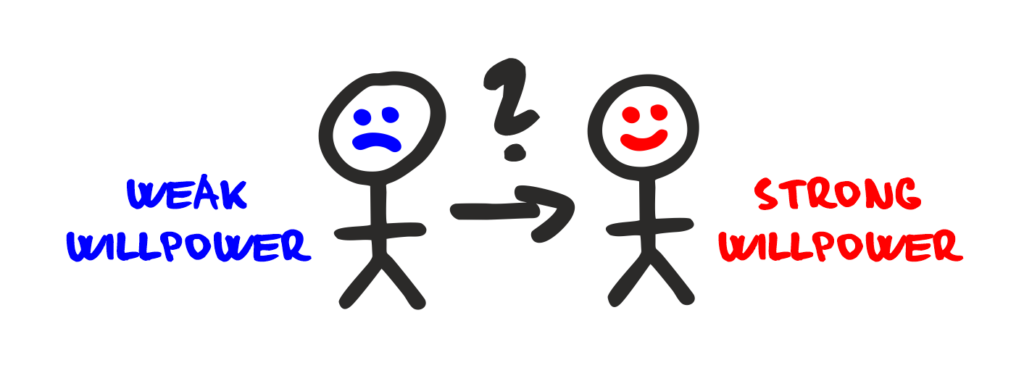
Strategy #3: Boosting willpower – the most underrated strategy for quitting
Unfortunately, willpower is often waning, particularly in the setting of withdrawal. Given that the psychological escape provided by recreational drugs is incredibly attractive (and addictive), many are tempted by the “one more time”.
Perhaps controversially, in my opinion, using neuropharmaceuticals wisely to boost energy, mood, and willpower is “the lesser evil” than risking relapse. Unfortunately, this is rarely done in clinical practice.
Of the neuropharmaceuticals available, bupropion is perhaps one of the most effective abstinence aids available as it improves well-being, impulse control, attention, energy levels, and motivation. An alternative to bupropion is modafinil, a dopamine reuptake inhibitor.
“Harsher” stimulants such as methylphenidate or lisdexamphetamine may be useful as well, though they are somewhat addictive by themselves, so taking them to help with kicking an addiction is essentially switching out one addiction for another (though possibly for a “better” one that is also less harsh).
In addition to helping people come off an addiction (whether a behavioral or a chemical one), these agents might also help to prevent a relapse.
For example, in the case of bupropion:
- Firstly, it is an effective mood-brightener, stimulant, and antidepressant. Many people relapse when their energy and mood are poor.
- Secondly, and more speculatively, they might help people with creating a life that is fulfilling by itself so that pleasure-short cuts and escapism are not needed anymore.
In my opinion, using stimulants or antidepressants to help treat (or prevent) addiction is underused by modern psychiatry.
For example, bupropion helped three friends of mine to kick their weed addiction and helped one friend greatly reduce consumption. In my and their opinion, bupropion is the “better” drug. The concept that there are worse and better drugs is introduced in the section Guiding Principles.
Strategy #4: Potentially helpful add-on agents
Another potentially useful (and most likely underused) agent is low-dose naltrexone (LDN). Naltrexone is a mu-opioid receptor antagonist (the “pleasure” receptor), thereby reducing pleasure and craving. It is only approved for food and alcohol addiction, but its anti-addiction effects are presumably broader.
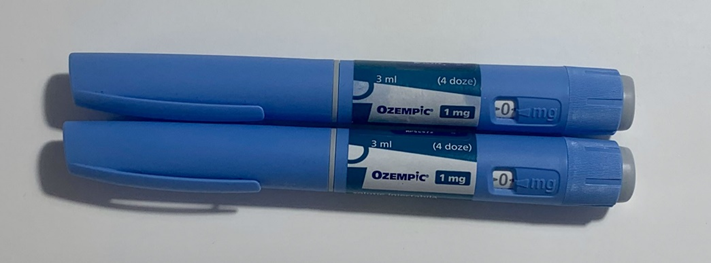
Some people also have success with GLP-1 agonists such as semaglutide, which, anecdotally, not only reduces food-related cravings but can help with other cravings as well. There are many reports of people quitting all kinds of addictive behaviors on GLP-1 agonists, which makes sense, given that GLP-1 receptors are expressed in the mesolimbic dopamine system, which is the molecular center of addiction.
Some people seem to have (slight) success with N-acetyl-cysteine, which is thought to “normalize” glutamate signaling, thereby reducing impulsivity.
Non-biological approaches
Obviously, psychotherapy and other non-biological approaches (e.g., mindfulness training) are helpful as well, though non-biological approaches are beyond the scope of this article. One of the best ways to kick an addiction is probably to change one’s environment.
A “mix” between a biological and non-biological approach is psychedelic therapy. While the agents mentioned above reduce craving from a neurobiological side, psychedelics may address the psychological side of things. Essentially, psychedelics can be compared to “months’ worth of psychotherapy in a single afternoon”. Anecdotally, the atypical psychedelic ibogaine seems to be extra effective for opioid or cocaine addiction.
Concluding thoughts
I agree with philosopher and neuropharmacology enthusiast David Pearce: “In most cases, the issue amounts not to drugs vs. no drugs, but rather to allow people to opt for better ones. However, perversely, the more useful the drug, the harder it is to usually get hold of in our modern society.”
Unfortunately, for many people, assault rifles are easier to get hold of than most of the molecules discussed in this article.
Disclaimer
The content available on this website is based on the author’s individual research, opinions, and personal experiences. It is intended solely for informational and entertainment purposes and does not constitute medical advice. The author does not endorse the use of supplements, pharmaceutical drugs, or hormones without the direct oversight of a qualified physician. People should never disregard professional medical advice or delay in seeking it because of something they have read on the internet.