
General thoughts on self-improvement
Let’s start with the obvious, which makes everything listed below much easier. For me, vitality (energy levels, mood, health) is the most important condition for self-improvement. If I am healthy, energetic, and in a good mood, then I am automatically more productive, nicer to people, a better listener, more mindful, more resistant to distractions, and more self-disciplined.
Conversely, when I am fatigued then I am more prone to procrastinating and being an asshole.
I discuss the concept of baseline vitality and various strategies & tactics that help me with it, here.
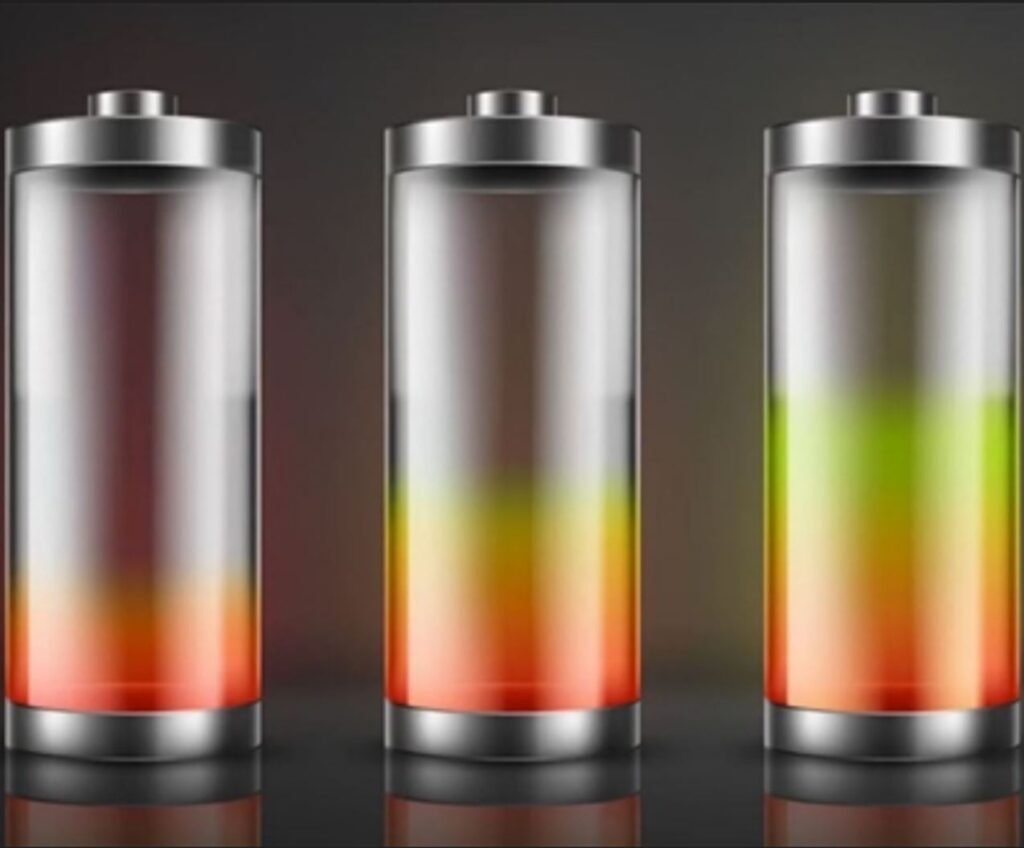
My personal experience suggests that, for me, the most effective and efficient path to “self-improvement” is to change a lacking biological factor in a goal-oriented way. For example, improving my sleep or starting metreleptin or TRT lite has improved many domains of my life, including productivity, mindfulness, and life enjoyment.
In the past, I often fell prey to “intellectualizing”. However, certain aspects of me or my life needed to become different, and “understanding” stuff was often not that helpful. Biological intervention offers a different approach. In contrast to hopping from one conceptual epiphany to the next, with biological intervention changes are automatic and there is little need for “realizing”, painstaking unlearning, relearning, and habit formation.
My morning routine
Over the past couple of years, my morning routine has changed little. Thanks to my morning-lark genetics, I am usually alert and ready to go immediately.
After waking up while still lying in bed, I turn on a voice-controlled arched floor lamp (called “the sun”) that is shining bright light directly into my face. I get up, take my morning stack of supplements (which I prepare in advance about once per month using pillboxes), drink a glass of water with electrolytes, and immediately get to work. I do this on most days I am not working in the hospital.
I try to “conquer” the morning by focusing on my highest-priority task for the day first. If I get in my most important task first, I get something important done every day. I got this idea from Tim Ferris (“Get in your big stones first.”). One of my best friends was so inspired by this quote, that he made a piece of art about it.
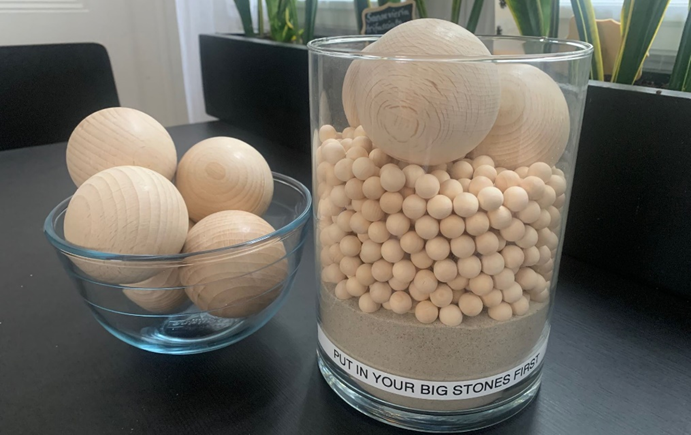
If the big balls (left) are put in before the pellets and the grains, all of the balls + pellets + grains fit into the container on the right. However, if the grains are put in before the larger pieces, the five balls (left) do not fit.
The idea is that if the big & important tasks are completed before the small & unimportant ones, one gets a lot more done because one will usually find room to squeeze in the smaller items.
I keep working on high-priority things as long as my energy levels & cognition are really good – usually, 3-5 hours in total, which I find to be enough if I do this consistently. If my energy levels or vitality are for some reason bad, I have a to-do list of less important tasks that do not require peak vitality.
If my morning hours are consistently productive, this is all of the productive time I need (discussed later). Furthermore, working on high-priority items right away gives me a feeling of satisfaction that lasts for the entire day and has some positive psychological momentum associated with it.
Importantly, my morning routine begins with optimizing my sleep (discussed in more detail here). Whenever I sleep badly or feel groggy for whatever reason, I know that I am at risk of completing high-priority things in a low-quality way. Instead of turning to stimulants (e.g., caffeine) like I did in the past, nowadays I turn to a to-do list of things for which little mental acuity or clarity is needed. Generally, I try to manage my energy, and not my time.
Productivity
A couple of years ago, I assumed that productivity means getting more things done each day. I was grinding all of the time and never took any time off. It took me a long time to realize that I was mostly running around in circles. I was thinking I was productive but in reality, I was mostly just busy.
I then realized that productivity is rather getting important things done consistently. And no matter what I am working on, there are only a few things that are truly important. Determining what I work on is the most important part of productivity – by far. Unfortunately, it is also the hardest to figure out and weirdly, also the most neglected part.
I can have an impeccable lifestyle + be on all of the hormones on Earth + modafinil + amphetamines but it won´t matter much if I am working on the wrong things. Speed without direction is useless.
Nowadays, I try to eliminate/avoid/delegate/skip things that do not matter (e.g., errands that are urgent but not important) and try to focus most of my time and energy on things that move the needle (or on things I enjoy doing for their own sake).
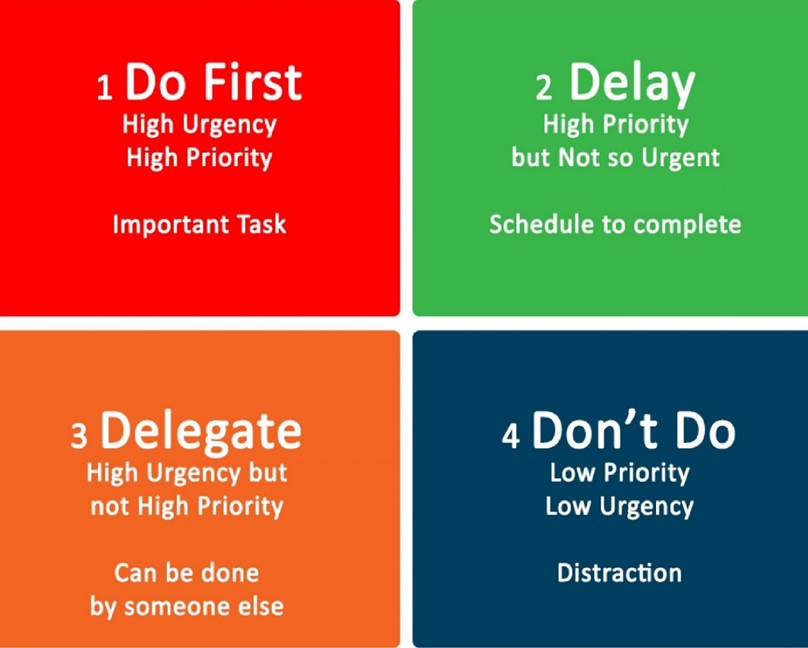
If I had to write out my “protocol” for productivity, it would look like this:
- #1 Optimizing vitality: I put a prime on vitality. If my energy levels are bad, I tend to half-ass things and procrastinate. In fact, without adequate vitality (health, energy, mood, motivation) all of the other things do not matter. I discuss vitality and how I improve it in more detail here.
- #2 Defending my time: For me, long uninterrupted blocks of time are necessary for getting anything meaningful done. I am most productive in the first few morning hours, and I try not to let anything get in the way of that. I only have about 3-4 hours of true productivity per day, which though is all I need if I am working on the right things. Everything that is beyond these 3-4 hours is a bonus but I do not force it.
- #3 Direction > speed: I make sure I focus on working on the right things more than I focus on working hard. Because I live in a “culture of busyness”, for a long time I thought that running around and constantly doing things is considered productive.
- #4 Work habits: I always try to complete my most important task first. I try to follow the strategies and principles of “deep work”. To help with this, I try to remove as many distractions as possible. I keep my work environment clean and uncluttered, I put my phone in a case, I work in full-screen mode, I use ear plugs to eliminate outside noises, and I set a timer during which I am not allowed to do other things. If any interruptions come up (e.g., the feeling that I need to research something), I batch them by writing them down on a list and deal with them at a later time. Whenever my vitality is not optimal, I have a to-do list of things that do not require a lot of mental focus. I then focus on these.
I want to give credit to a couple of articles & books that served as an inspiration. These include articles by James Clear, Sam Altman, and Deep Work by Cal Newport.
Leisure
A couple of years ago, I had a restless inner drive to always be productive and to only do things that have a utility function to them. Back then, I was rarely able to “turn it off” and my mind was a firework 24/7. Whenever I was not “productive” I felt uncomfortable and uneasy. This was a double-edged sword because it caused me to never take breaks, which I certainly needed from time to time (even though I thought I do not).
Over the last couple of years, this has changed. I attribute this at least in part to changes in endocrine and neurobiochemical factors, particularly my self-experiment with metreleptin. I am now able to simply drop things and engage fully with whatever I am doing, and I now frequently have activities that are not outcome/productivity oriented.
For example, I love doing all kinds of sports, taking time off with friends, reading in my giant bean bag. I rarely have “electronic” leisure (e.g., movies, video games, social media) because I fortunately do not enjoy it. I also do not have a calendar despite work, being part of 2 startups, and doing something social on pretty much every evening. The most I do is occasionally setting a reminder/alarm on my phone.
In the past, whenever a task or project truly captivated me, I could go for quite lengthy periods without breaks (other than meditation, exercise, sleep, and socializing), because a well-suited task or project fuels my energy instead of draining it. For example, while I was working on setting up this website, I went for months on end without dedicated “off time”. For me, seeing how things advance is a great source of fulfillment and further motivation (especially if it helps others). Nowadays, I am more balanced and I value life enjoyment more than productivity.
Meditation
A couple of years ago, I went through a very stressful time. I realized that I spent extraordinarily little time taking care of what matters most: my mind. I agree with Sam Harris that the way my mind works determines the quality of my experience, which determines the quality of my life.
By training my mind deliberately through meditation, I could supposedly alter my brain’s architecture directly, leading to greater productivity, life enjoyment, and well-being. After learning about the science of meditation, I was hooked.
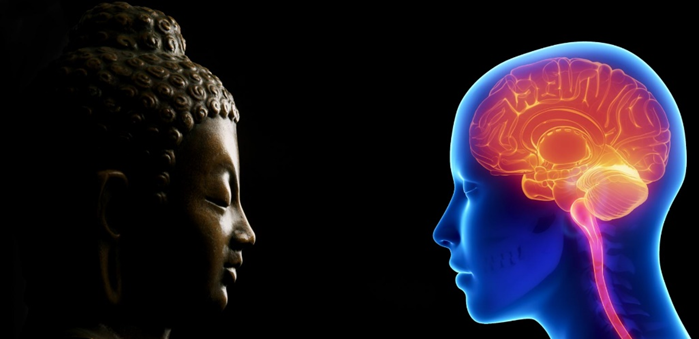
The interface between meditation and neuroscience is neuroplasticity. Mammalian brains wire depending on how they are used. This is obviously more powerful early in life, but even adult brains are equipped with a certain amount of neuroplastic potential. Meditation promises to be a powerful way to rewire my brain in a way to increase my happiness, focus, and calmness. The price is twenty minutes per day. Seems like a good deal.
I started to sit down for 15 minutes per day, trying to fight my monkey mind. Initially, this was highly uncomfortable. However, after a few weeks of trying to stupidly pay attention to my breath, most of my stress and anxiety disappeared, and I started to enjoy it.
More importantly, I felt happier and more resilient. I somehow slowed down and yet I was more productive – likely because I was not doing things with as much of a “monkey mind” as before.
In the same way that my body gets better at running the more often I do it, the simple exercise of paying attention to my breath strengthens my brain’s so-called task-positive network (the neural correlate to sustained attention) both structurally and functionally. No further knowledge, insight, or conceptual changes are required. Just the exercise.
The improved concentration was sufficient to reduce mindless mind-wandering, which was relaxing and pleasurable in itself. Furthermore, this daily training in meditation helped me with mindfulness (which is much more than just concentration).
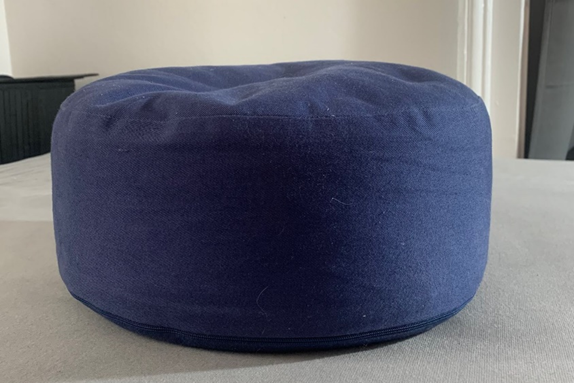
I believe that mindfulness is one of the most important skills for self-improvement. If both vitality and mindfulness are present (no pun intended), my “window of agency” increases, which makes it much easier to apply and do everything else. If either vitality of mindfulness is lacking, I cannot help but be mostly on autopilot.
Furthermore, I feel that mindfulness is also important to get more out of life in general. Without some present-moment awareness, I risk missing my life, which is simply a string of present moments next to each other.
Loving-kindness practice
In the past, I usually finish my meditation with a short 2min loving-kindness meditation (now I do gratitude). While mindfulness meditation is a way to train my brain for more present-moment-awareness, loving-kindness meditation can bring about a default mode change in how I interact with others.
For example, I used to have a grudge against my brother. By consistently choosing him as my object of loving-kindness, the grudge had completely abated after about two months, leading to my brother confronting me about why the way we interacted had changed.
For thousands of years, Buddhists relied heavily on Metta meditation to train and wire their brains in a way that MDMA-like states of loving-kindness and compassion become their predominant states of mind, which is a selfishly ethical thing to do. In the past, I used to be judgmental and selfish, and I feel that this exercise has helped me a lot in this regard.
Gratitude journalling
The research on gratitude and happiness is quite robust and aligns well with my personal experience. Adopting a gratitude practice was one of the most powerful things I ever did to become happier. While at first, it seemed contrived, it did not take long before genuine emotions of gratitude arose.
After waking up, I use the Kurzgesagt Gratitude Journal, and before going to bed, I write down five things I am grateful for (nowadays I usually do it in my head), one for each of the following domains (what happened today; what I am looking forward to tomorrow; something about relationships; big things in my life; right now).
Through gratitude exercises, thoughts of gratitude can be made into a “habit”. For this, gratitude journaling is powerful beyond belief. I believe that no single other of my habits has a better cost-benefit ratio.
Gratitude journaling helped me a lot with appreciating what I already have. The human brain is a pattern recognition machinery, trained to find patterns for things it has frequently been used for. For example, if I train myself to look for people with red hair, it won’t be long before I see red-haired people everywhere. If I frequently play chess, my brain gets better at finding chess patterns.
Similarly, if I frequently think about things I could be grateful for, my brain gets better at “gratitude” simply because the responsible neural networks are trained every day to find “patterns” of things I could be grateful for.
Over time, these thoughts of gratitude came on much more readily – either spontaneously at random times throughout the day or specifically as an antidote to stress, worrying, or grudging. In both cases, these thoughts of gratitude reliably lift my mood and increase my well-being. As Tony Robbins puts it: “No amount of money can give you what true gratitude can give you.”
Furthermore, these thoughts do not just change the first-person data of my life but also how I act and react in the “real” world, and thus over time also change third-person data. And all for just three minutes per day.
Journaling
Between 21-26, I used to journal almost every day. Journaling helped me crystallize my thoughts and I often used it as a way to think. The process of writing thoughts off my mind was quite therapeutic and allowed me to stop thinking about things because it gave me the reassurance that I had “saved” my thoughts somewhere and can return to them as needed – similar to Dumbledore’s Pensieve.
From time to time, I reread my old journals and reminded myself of the way I used to think and reflect on whether I still agree with my old self or not.
Now I rarely journal, mainly because I do not “need” it anymore as my mind has gotten much quieter over the years. However, I still keep pocket-sized notebooks, which I bring with me wherever I go, to jot down random thoughts. I prefer notebooks over my phone because firstly, the phone is an attention grabber that might make me go down a rabbit hole, and secondly, taking out a real notebook does not come off as rude to the people I am with.
Reading random articles
I try to learn about a variety of different mental models and to get to know the principles & basics of many different disciplines. This helps me with all of the thinking I do and decisions I am going to make – even if I do not realize it. As Charlie Munger says: “To a man with a hammer, every problem looks like a nail.”
I have around one hundred articles bookmarked, and in the past I aimed to read a new article every day (now it is more like 1 new article every week because I like to limit my screentime as much as possible). This exposes me to a wide variety of topics. I am constantly debating with myself whether I should switch to reading books instead.
My favorite blog, by far, is Astral Codex Ten.
I use a Chrome extension called Super Simple Highlighter which makes it easy to highlight on web pages. From time to time, I review all my highlights in chronological order, which I feel vastly increases memory retention for very little additional time investment.
Avoiding social media
I am not on any social media platform for a variety of reasons.
- Social media is designed to be addictive as my attention is somebody else’s paycheck. It has gotten to the point where many people don’t even realize they are taking out their phones to scroll through social media.
- I like what Naval Ravikant has to say about it: “Social media makes celebrities of all of us. And celebrities are the most miserable people on Earth.”
- My brain wires and adapts depending on how I use it. In the same way that meditation can wire my brain for increased sustained attention, social media wires my brain for the opposite, namely jumpiness and distractibility. Some researchers postulate that this training of human brains to “jump” all the time, is one of the major reasons for the current epidemic of anxiety, depression, and ADHD.
In my opinion, Sam Harris hits the center of the bull’s eye: “Social media is a psychological experiment we’re running on ourselves to which no one has consented. We have enrolled half of humanity in this thing, and we’re just seeing what happens. It clearly has effects that are at best non-optimal and at worst catastrophic.”
Cutting down on phone use
I often find myself mindlessly grabbing my phone to either check WhatsApp or the news. These constant interrupts kill my flow state and due to “attention residue” the time it takes to get back to work is ten times the time I wasted on the distraction itself.
Furthermore, grabbing my phone whenever I am bored (which I got programmed to do by social statisticians and scientists trying to addict me to their apps) prevents the pattern recognition machinery jammed between my ears from turning its gears during idle states and therefore prevents my brain from coming up with creative thoughts and ideas (“shower thoughts”).
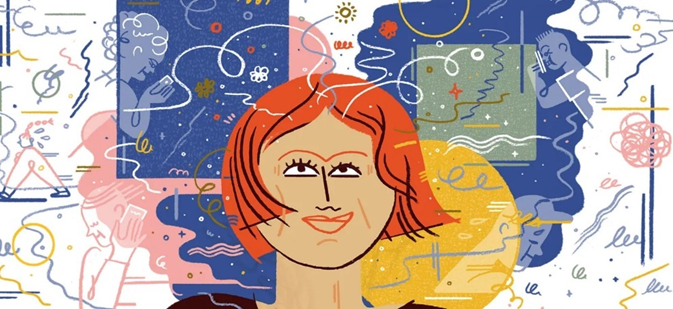
The average adult supposedly checks one’s phone around 150 times per day, which amounts to once every 9 minutes of waking time. As James Clear points out: “So many of the behaviors, and technologies, are so frictionless and convenient, that we find ourselves doing them with just an inkling of desire (e.g., grabbing your phone or a snack in response to boredom) – we don’t actually really want them, but they’re so easy, we’ll fill space with them.”
Over time, I was able to reduce my mindless phone use by about 50% with the following strategies:
- Putting my phone into greyscale mode (via accessibility settings). Furthermore, I programmed my iPhone’s off-button in a way that triple-clicking exits grey-scale mode (e.g., whenever I want to take or view a picture). Ever since doing that, using my phone has become a little less appealing.
- Turning off all notifications other than calendar reminders.
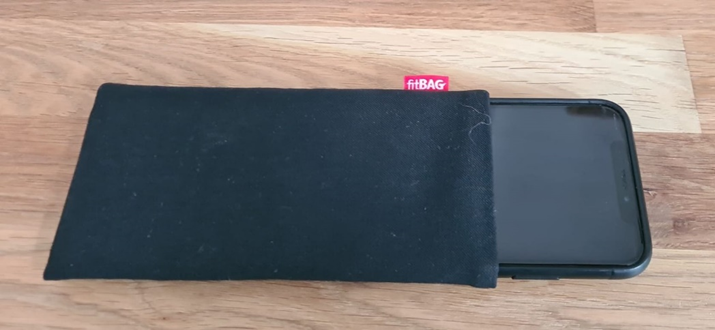
- in the past I put my phone into a tightly fitting phone sleeve, which is cumbersome to remove. This serves both as a reminder to not use my phone and it also adds an additional layer of friction (literally). However, I lost these sleeves like 30 times (spending over 600 Euros on them over the years) that I stopped doing it.
Getting into flow-states
I try to get into a flow state at least once per day (usually after waking up early in the morning). Next to being a major source of productivity, I also find it quite enjoyable. Often this means writing articles, working on a paper, researching a specific question, reading, or going over my notes.
Getting into and sustaining this daily flow state took a long time, effort, habit formation, and a lot of trial & error to learn. Things that help me:
- Working on something that engages me
- Training my brain to be physically capable of maintaining a state of sustained attention. In the past, I used stimulants to help with this but now I feel that focusing on vitality, meditation, and deep work habits is sufficient.
- Designing my environment to limit distractions as much as possible
Contribution
In my early twenties, I was mostly focused on myself. I now regularly aim to do things that have no obvious benefit for me. For example, I frequently consult with friends (or my friends’ friends) and try to help them with (biological) self-improvement. Wanting to contribute more to others was also part of the reason I set up this website. Sure, it does give me something as well, namely, the feeling that I contribute and that I am not useless.
Community
I used to be quite introverted (by no means shy) and prone to spending most of my time on “my things”. Over the last couple of years, I was fortunate enough to find my tribe of people who I can connect with in a deep and genuine way.

I am grateful to have a handful of friends that share my values, are authentic, truth-seeking, growth-minded, value constructive criticism, and are not overly concerned with their own personal ego. Having my community is one of the biggest sources of fulfillment and has improved my life, productivity, and happiness in ways that are difficult to overstate. I discuss human connection in more detail here.
Subscribe to the Desmolysium newsletter and get access to three exclusive articles!
Purpose
“Find something you care about more than yourself – that’s what produces energy and brings life to you.” – Tony Robbins. I am much happier, more productive, and more fulfilled if I have purpose. However, purpose is one of the things that can be incredibly hard to find. I discuss the importance of purpose in more detail here.
Monthly evaluation of my “five pillars”
I have five “pillars” in my life, in which I try to maintain constant “progress”. I make sure that none of these get left behind because I believe that I require all five to have a rich and fulfilling life. I systematically evaluate them once per month, which takes me an hour or so. These are:
- Personal growth (i.e., How did I improve myself?)
- External purpose (i.e., What were the things that energize and drive me? What progress did I make with these?)
- Connection & belonging (i.e., How are my relationships with the people that matter most to me? How did they improve or worsen?)
- Contribution (i.e., How did I make the lives of other people better?)
- Spirituality (This is more intuitive/personal, and I still do not know how to evaluate this properly. Unfortunately, spirituality is also the pillar that most frequently gets the short end of the stick.)
Disclaimer
The content available on this website is based on the author’s individual research, opinions, and personal experiences. It is intended solely for informational and entertainment purposes and does not constitute medical advice. The author does not endorse the use of supplements, pharmaceutical drugs, or hormones without the direct oversight of a qualified physician. People should never disregard professional medical advice or delay in seeking it because of something they have read on the internet.