
In the same way that we can breed physical and personality traits into dogs over only a few generations, the intelligence of the human race could (likely) be progressively enhanced via artificial selection, genetic engineering, iterated embryo selection, or cloning. However, all of these are currently off-limits, mostly due to regulatory hurdles. Therefore, I will limit my discussion to the individual level.

This article is divided into two parts. First, a theoretical part, and second, a discussion of the things I employ myself. If you are not interested in the theoretical background, feel free to jump to the second part of the article.
How To Biohack Intelligence – Principles & Interventions
On an individual level, the largest determinant of intelligence is genetics coupled with the first ten or so years of life (i.e., the interaction between genes and environment). During this time, the brain adapts to environmental demands. Used synapses are kept and expanded, while unused synapses are pruned (“Use it or lose it.”).
About 50% of intelligence is genetic, however, the environment is still very important. For example, 80-90% of height is genetic yet nutrition dramatically changes average height across generations. About 2000 genes have been identified (and 15.000 genetic variants), however, each only has a tiny effect. Together, they only explain about 20% of IQ variance, yet we know that true genetic influence is much higher (roughly 50%) – most of it is still unexplained at the molecular level. Most of the genetic variants identified have to do with neurogenesis, axon guidance, myelination, and ion channel function.
By the age of 10, the primary wiring of the human brain (and therefore the major share of “intelligence potential”) is established. However, for the next decade or so, the brain remains quite plastic, and significant changes in the brain’s blueprint, including small gains in fluid intelligence, are still possible. Thereafter, from a “hardware level” perspective, “raw” intelligence (g-factor) is mostly set by late adolescence and can only be improved to a minuscule extent (if at all).
In other words, after adolescence, one’s maximum cognitive potential is largely fixed. However, in everyday life, a substantial portion of that potential is often inaccessible due to factors such as low energy levels, mild brain fog, poor sleep, stress, or suboptimal metabolic and neurochemical states. As a result, we rarely operate anywhere near our true cognitive ceiling. In other words, big gains in everyday intelligence (which is what matters) are still possible.
In addition, intelligence is not static across the lifespan. With aging, cognitive performance tends to decline, sometimes considerably. The trajectory of this decline, however, is not predetermined. The pace of neurodegeneration can be accelerated or slowed by a wide range of variables, including lifestyle, health, and environmental factors.
In this article, I focus on what I call practical intelligence: the ability to consistently access, sustain, and deploy one’s cognitive capacity in real-world conditions. From this perspective, intelligence is less about theoretical maximums and more about reliability and availability. What if the single best hour of my day (the period when my mind feels sharp, energized, and clear) could be extended to span the entire day? I argue that achieving this would meaningfully and powerfully increase my effective intelligence in daily life.
Neuroplasticity
The fact that children and adolescents learn so effectively is probably at least in part due to their brains’ excellent ability to adapt and rewire. Unfortunately, a brain’s capacity for neuroplastic adaptation decreases considerably with age.
For example, if a 5-year-old child loses one eye, the primary and secondary visual cortices dedicated to the lost eye rewire in a way to accommodate the input of the healthy eye. Conversely, if a 15-year-old child loses one eye, this rewiring is much less effective, and if a 25-year-old loses one eye, there is hardly any rewiring at all.
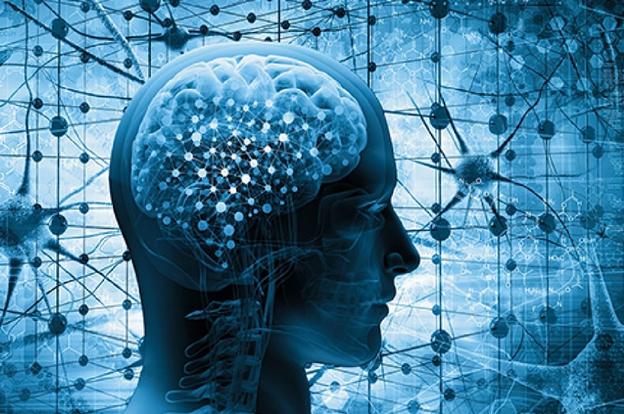
Once adulthood is reached, large-scale brain connectivity is mostly set, and any intervention that would attempt to change macro-level connectivity (which would necessitate long-range neurite outgrowth) may lead to weird phenotypes (if at all possible). Consequently, an increase in adult neuroplasticity will (and perhaps also should) mostly affect the “micro” level.
Keeping the brain in a somewhat “micro-level” neuroplastic state (such as during late adolescence) is presumably beneficial and possibly also somewhat feasible.
Interventions that may help with keeping an aging brain young, healthy, and flexible (and may therefore delay the progressive death of neurons and dementia) include proper sleep, keeping hormone levels “youthful” (particularly IGF-1 and estradiol), having a decent diet, endurance exercise, high-intensity exercise, activities that require the coordination of many different cortical areas (e.g., dancing, playing music, learning a new language), traveling, social connection, and environmental enrichment. Furthermore, nicotine, NSI-189, GH/IGF-1, thyroid hormones, sex hormones, psychedelics, and ketamine may also help – discussed later.
The same interventions/activities that delay the onset of progressive neuron death and dementia may possibly also help with keeping the brain in a “micro-level” neuroplastic state.
I discuss dementia and interventions that can help with prevention, in more detail here.
Subscribe to the Desmolysium newsletter and get access to three exclusive articles!
Avoiding stuff that impairs brain health
800 Mio. people globally, including 20% of all children, have elevated levels of lead in their blood. Lead is quite toxic to the central nervous system and likely costs humanity billions of IQ points every year. Even in adulthood, lead exposure impairs brain health and function.
Besides lead and other environmental toxins, there are also many drugs that impair brain development, and probably adult brain health. These include weed, MDMA (a serotonergic & dopaminergic neurotoxin), possibly amphetamines, ketamine (a double-edged sword with possibly significant neurotoxicity), and a number of CNS depressants (anticholinergics, benzodiazepines, Z-drugs, gabapentinoids). Stimulants may also be less than ideal for a developing brain because they tend to stifle curiosity, exploratory behavior, and creativity, which may lead to a different brain development.
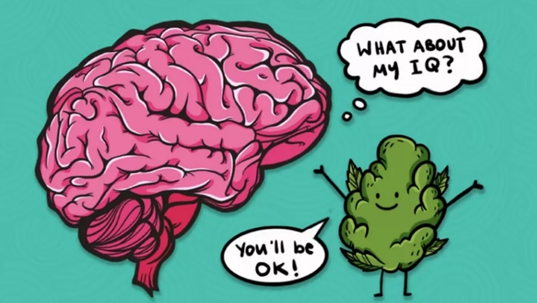
Of note, for the optimal development of intelligence, I believe that pretty much every neurotropic molecule (e.g., stimulants, antidepressants, recreational drugs) discussed on my blog (except for perhaps thyroid hormones, supplements, and caffeine) would do more harm than good if given to a developing brain. An exception may be ADHD-drugs in the context of ADHD (but not normal brains, as they seem to impair creativity and lateral thinking). Said in other words, unless clear-cut pathology is evident, most people would, in my opinion, be best off not taking any neuropharmaceuticals until the age of 20 or so.
Sleep apnea and insomnia are other conditions that severely impair brain function and long-term brain health.
Relatedly, everything that can be done to prevent neurodegeneration can keep optimal brain health for longer. Furthermore, as we age, we progressively lose neurons (in addition to a decline in neuron function). This is likely part of the reason people’s cognitive abilities progressively decline over time. Unfortunately, in contrast to other organ systems, neurons cannot be replaced. Even if we could replace neurons, newborn neurons are incapable of replicating the functional connectivity of a dying neuron, particularly the sometimes macroscopic length of the axon.
These things include things such as:
- Having no ApoE4 allele (or keeping ApoB levels very low)
- Putting a prime on exercise
- Optimizing metabolic health
- Preventing atherosclerosis
- Optimizing hormones
- Lowering inflammation
- Fish oil
- Preventing nutrient deficiencies
- Senolytics
- MAO-B inhibition
- Optimizing sleep
- “Brain stimulation”
- Shingrix vaccine
I discuss these strategies in more detail here: My Protocol for Fighting Dementia – What I Do To Keep Brain Health Optimal
Energy levels & intelligence
For me, the difference in IQ test results between being tired and feeling particularly vital is about 10-15 points – so about one standard deviation. Imagine if I had a 15-20pts higher IQ all the time and the compounded interest over decades.
Because a brain adapts depending on how it is used, there is probably a causal connection between early childhood energy levels and the development of g-factor-like intelligence because high-energy kids use their brains in a different way than low-energy kids. In fact, many highly intelligent individuals were, reportedly, very energetic children.
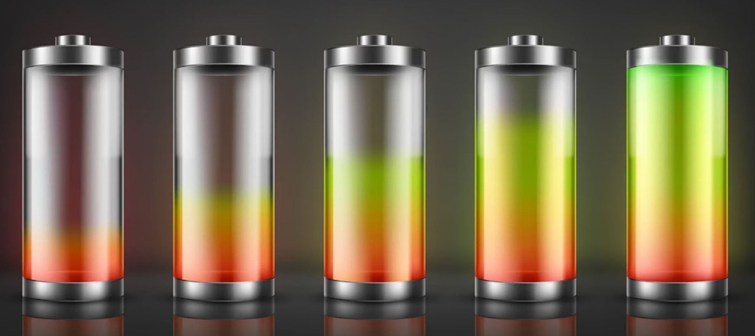
Even in adulthood, adequate energy levels are (short of IQ and education), in my opinion, among the most important prerequisites for everyday intelligence (and a lot else in life). If people are tired or have low energy, they are much dumber and less effective than they would potentially be otherwise.
For example, whenever I am lethargic, my potential intelligence is practically locked away, and I perform much worse on a battery of cognitive tests compared to when my energy levels are good. Conversely, if I could extend the best hour of my day to the entire day, I would be much more intelligent, capable, and productive. I discuss the concept of “baseline vitality” here.
I discuss my interventions for energy levels in the second part of the article.
For more: “I Am Tired All The Time” – 12 Overlooked Causes Of Fatigue
Mood & intelligence
The link between mood and (practical) intelligence is often neglected. Not only does having a low mood affect thinking abilities, but at the extreme end, depression causes aberrances in the structure and function of the prefrontal cortices, hippocampi, and amygdalae, among others. In fact, depression is probably low-level neurodegeneration and there is data to back this up.

In this and other ways, depression worsens cognition, executive function (such as planning, selective attention, decision-making, and reasoning), emotional processing, and causes memory problems. This state is aptly termed “depressive pseudodementia”.
Thus in the case of depression or dysthymia, antidepressants may be excellent nootropics. Antidepressants are discussed in more detail here: What Kind of Antidepressant Should I Take?
As a counterargument, it seems that some highly intelligent individuals are constantly in a state of “suffering”, yet they are very intelligent and productive. Furthermore, I know a couple of people who I deem highly intelligent despite self-reporting that they have been anxious and dysthymic for the most part of their life. There is a difference between true neurobiochemical depression and just “suffering” – discussed in the article linked above.
Nonetheless, it is safe to say that true biochemical depression has adverse effects on IQ and practical intelligence and over time is probably accelerating neurodegeneration both directly (i.e., depression is directly bad for the brain) and indirectly (i.e., depressed people have worse sleep, exercise less, use their brains productively less, are less social, have less environmental enrichtment, etc.).
Of note, having always a very good mood is not ideal either. For example, when my mood is very good, I have less mental “unease”, which is conducive to deep thinking. Normally, I think hard about things, which may be a consequence of fairly high cognitive unease. However, when my mood is very good, my cognitive unease is much reduced and my thinking process was more shallow.
So, being in a fairly good mood is probably the best for everyday intelligence, which drops at both ends of the mood spectrum.
Stimulants and nootropics
Stimulants increase baseline activity of the nervous system, which is quite performance-enhancing in itself. In addition, (most) stimulants directly or indirectly increase dopamine levels, which boosts motivation and cognition even more (on top of pure energy levels). For more on this, see the dopamine section in An Introduction to Neurotransmitters.
Strategic use of stimulants enhances various aspects of cognition in the short term. However, due to the principles of counterregulation, (conventional) stimulant use is hardly a viable long-term strategy and in the long run they are neutral at best. Stimulants are discussed in much more detail here.
In addition to conventional stimulants, there is a host of non-stimulant molecules that may be great nootropics, such as, for example, vortioxetine or piracetam. Furthermore, there are several potentially pro-cognitive molecules stuck in the pharmaceutical pipelines, such as AMPAkines or rapastinel.
Personally, moclobemide makes me a little dumber (verified by IQ tests) whereas low doses of MAO-B inhibitors make me more intelligent – I am more eloquent and my brain simply expends more energy and thinks more deeply. I discuss both molecules in more detail in the second part of the article.
Similarly, when I was on T3 (the active thyroid hormone), my brain is simply faster, which increased my everyday intelligence, though it is hard to say whether T3 is better classified as a stimulant, antidepressant, or something that increases baseline energy – probably all three.
Emotional intelligence enhancers
The ”natural” habitat of the human species is the social domain. Therefore, many developments of the human brain and mind are adaptations to social problem-solving.

If we define intelligence as “ad hoc goal-oriented problem solving”, emotional intelligence (EQ) may be equally important as analytical intelligence (IQ). Paraphrasing the philosopher David Pearce: “IQ tests are a better measure of high-grade autism than true intelligence as they critically neglect creative, practical, social, and emotional intelligence.”
While “stimulants and nootropics” may be useful for enhancing some aspects of analytical intelligence, they can worsen intelligence in other aspects.
Stimulants rarely make users warm, relaxed, and socially empathetic. Thus, molecules that enhance the human capacity for creativity, empathy, and introspection, and improve social skills may, in certain situations, be better “smart drugs” than conventional smart drugs, which can make users more stupid in areas not related to analytical intelligence. Unfortunately, such molecules are rare. The only ones that come to mind are oxytocin or low doses of psychedelics.
(This is not to say that the use of psychedelics makes people “smarter”. Potentially quite the contrary because many psychonauts seem cognitively overwhelmed by their experiences – and potentially even brain-damaged by the molecular consequences of the drugs.)
Hormones
Hormones are probably the most powerful group of molecules for everyday intelligence mentioned in this article.
Many hormones have pervasive effects on the nervous system. These include steroid hormones (e.g., testosterone, estradiol, cortisol), thyroid hormones, growth hormone, IGF-1, insulin, and leptin, among others.
For example, one major reason why many women decline precipitously after menopause (in fact, 2/3 of individuals with dementia are female) is the precipitous decline in levels of estradiol

All of these modulate neurotransmitter levels and neural activity patterns. Furthermore, most of these are known to have effects on neural plasticity. Because (many) of the above-mentioned hormones act directly on gene expression and not on measly transmembrane GPCRs, the brain-related changes from hormones are sustained (and sustainable) and there is much less tolerance compared to most pharmacological interventions (most of which act on transmembrane proteins).
Hormones are discussed here.
Metabolic modulators
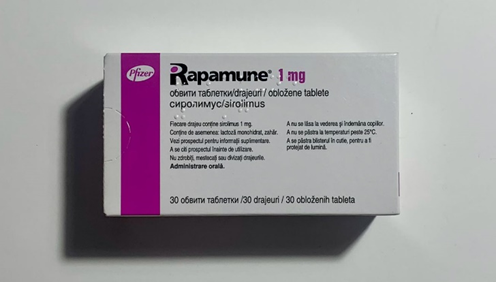
The connection between practical intelligence (including energy levels, mood, and motivation) and metabolic health is largely unexplored. Drugs that affect nutrient partitioning and metabolism, such as SGLT-2 inhibitors, metformin, or rapamycin, might not only have pro-cognitive effects in certain conditions but might also favorably influence brain aging, therefore preserving fluid intelligence for longer.
I discuss metabolic drugs in more detail here.
Anti-inflammatory drugs
Anecdotally, some people report a clearance of “brain fog” after starting rapamycin. Assuming that this is not due to a placebo, this may be a function of reduced levels of inflammation (and possibly induction of autophagy).
Relatedly, cognitive dysfunction is often a symptom of inflammatory disorders. Therefore, anti-inflammatory interventions can have pro-cognitive effects in instances of systemic inflammation.
Drugs that are potentially useful for this purpose are fish oil, dexibuprofen, low-dose naltrexone. I personally do not think highly of curcumin (I share why here). Curcumin also broadly affects CYP enzymes and given that I am a host of drugs, I would prefer not to mess with drug metabolism too much.
Exercise
According to a wealth of data, exercise may be among the most effective ways to improve brain function and preserve brain health. Different kinds of exercise are known to have somewhat different effects on the nervous system.
Because the effect of exercise on brain function is discussed to death in a gazillion books and podcasts, I assume that most readers are very familiar with the topic so I keep my discussion short.
For example, weight training improves myokine levels, steady-state cardiovascular exercise increases the size and activity of the hippocampi, and high-intensity exercise induces the expression of neural growth factors and of antioxidant systems.
Given that physical exercise is widely known to improve cognitive function, drugs that mimic certain aspects of exercise, such as PPAR-delta agonists, may possibly have pro-cognitive effects. However, the idea of “exercise in a pill” is, in my opinion, ridiculous because the mechanisms (and benefits) of exercise are far too diverse and numerous for them to be replicated pharmacologically.
Sleep
Last but not least, among the most important things for brain health, function, and aging – and therefore (practical) intelligence – is sleep. Similar to exercise, discussed widely elsewhere. Sleep is critical for all aspects of cognition, memory consolidation and glymphatic clearance.
Whenever I sleep really badly, I am much dumber than I would be otherwise even if I do other things such as diet, exercise, and hormone optimization 100% correctly. This is presumably true for many other people as well.
Similarly, if one improves sleep quality even slightly, there may well be a number of direct and 2nd and 3rd order consequences on many aspects of intelligence. For example, after taking daridorexant (discussed below) I am cognitively sharper for the whole day because the drug pretty much guarantees great sleep.
Behavioral and pharmacologic means to improve sleep are discussed in more detail here.
Brain-friendly hobbies
In the action department, a lot of things can be done that are known to improve certain aspects of intelligence. These include playing a musical instrument, engaging in coordinative sports (e.g., dancing, combat sports), getting to know new people (e.g., dating), endurance & high-intensity sports, socializing, learning a new language, exposing oneself to new situations, traveling, environmental enrichment, or certain cognitive exercises (e.g., dual-N-back).
Because many of these activities require the cooperation of many different brain areas, they may lead to the development of a more interconnected brain – the earlier one starts the more potent the effects on brain connectivity.
Summing up
While “raw” intelligence enhancement (i.e., surpassing peak performance) is hard if not impossible to do (after a certain age), a much lower-hanging fruit is “unlocking” the intelligence that is already present and preserving it over time.
The best shot at reliably and consistently achieving sustained and sustainable states of (near) peak performance is not by taking stimulants and then crashing, but rather by enhancing “baseline vitality” (the combination of energy levels + mood + health – all of which go somewhat hand in hand). As discussed, this may be achieved via behavioral, hormonal, and pharmacological means.
Now let us get to the fun part.
Practical Part – Things I Employ Myself
Below are a couple of interventions I use that I feel have a positive effect on my every-day intelligence. While many of these interventions do indeed slow down neurocognitive decline (which is bound to happen with age for everyone):
- directly due to their effects on brain function and brain health
- indirectly due to their effect on me using my brain more “vigorously,” which is highly protective against neurodegeneration
I guesstimate that my raw IQ is a little higher on these interventions for as long as I take them. However, my interventions have a much greater effect on everyday intelligence than raw IQ.
A useful way to distinguish these is to think of raw IQ as cognitive horsepower and everyday intelligence as effective real-world performance, which depends on many additional factors, such as motivation & drive, energy levels, mood, conscientiousness, persistence, emotional & social intelligence. I will refer to everyday intelligence vs. raw IQ multiple times in the article.
If we look at populations that preserve cognition best over decades, the strongest predictors are:
- Physical activity
- Cardiometabolic health
- Social engagement
- Sleep
- Education and lifelong learning
These are basics and should be the cornerstone of every cognition-optimizing protocol, however, I am not discussing them here because their effects on cognition have been discussed to death by armies of health-influencer-bros elsewhere.
Supplements
I take a number of supplements that may affect energy levels and/or everyday intelligence.
- Creatine. Because it elevates ATP levels in neurons, it probably increases brain performance by a bit. The effects are too subtle for me to notice, though I mention it because there is a solid theoretical basis for this. I take 12g per day.
- NMN. Increases energy levels and also does a lot of other things. Quite subtle. I take 400mg per day
- L-acetyl-carnitine. Subtly increases energy levels. I take 500mg per day
- EPA/DHA: EPA is a building block of the brain. Co-regulates a host of signaling processes in neurons. Reduce inflammation, which is bad for brain health and function. I take 2g per day
- Magnesium: Needed for a plethora of enzymatic functions. Most people are deficient. I take 400mg per day.
- Asthaxanthine: Great antioxidant which also influences a host of other key transcription factors. I take 12mg per day.
- Pregnenolone: A precursor to neurosteroids that is quite known to improve memory and executive functions. Given that I am on finasteride, which reduces neurosteroid synthesis, adding 10mg of pregnenolone is probably more beneficial than harmful.
- Lithium. A microdose of lithium is probably increasing brain health and neuroplasticity. I take 1mg per day.
- Phosphatidylcholine: A form of choline. Increases acetylcholine levels and also delivers choline for other processes. I take 2400mg per day.
- Electrolytes: I take about 10g of pure electrolytes per day, including sodium, magnesium, chloride, potassium, and calcium. Needed for neuronal signaling. If one of these is low, the nervous system is measurably and perceptibly affected.
- N-acetyl cysteine: Great antioxidant. Potentially also implicated in glutamate signaling. I take 1200mg per day.
- Other supplements I take that may affect everyday intelligence to a minuscule extent: vitamin D, taurine, inositol, alpha-ketoglutarate, TMG, glycine, L-methyl folate, selenium, Coenzyme Q 10, vitamin C; I personally avoid all herbal supplements (e.g., ashwaghandha).
- Tadalafil – even though not a supplement, I mention it because it increases NO levels. Tadalafil is not just great for erectile function and whole-body circulation, there is some data that tadalafil is also directly beneficial to the brain because of its effects on cAMP levels and is potentially great for reducing neurodegeneration. Unfortunately, I had to stop it because even low doses cause tinnitus for me. If this weren´t the case, I would readily take it.
I discuss my supplement protocol in more detail here: Supplements I Take and Why
Moclobemide
First, let us start with a dead end because it is useful to highlight the difference between “raw IQ” and “everyday intelligence”.
I definitely noticed that moclobemide (a reversible inhibitor of MAO-A) made me a tad dumber, as I was routinely worse at expressing myself, retrieving memories, and “thinking hard.” Moclobemide elevates serotonin and noradrenaline levels much more than dopamine levels. It definitely made my brain “slower.” Some of the dumb-down effects may be due to a relative decrease in dopamine signaling.
This effect was subtle, but I clearly noticed it. I also routinely performed worse on cognitive tests, on which it reduced my performance by roughly 5–10%.
However, and here is the important thing, while on it, I was rarely distracted, and most of the time I had good energy, mood, and motivation. The overall effect on my everyday intelligence (which is much more than just raw IQ and also includes motivation, enthusiasm, energy levels, etc.) was probably neutral. I am currently off moclobemide.
Despite this, moclobemide is still one of my favorite molecules of all time – my experience in detail here.
Rasagiline
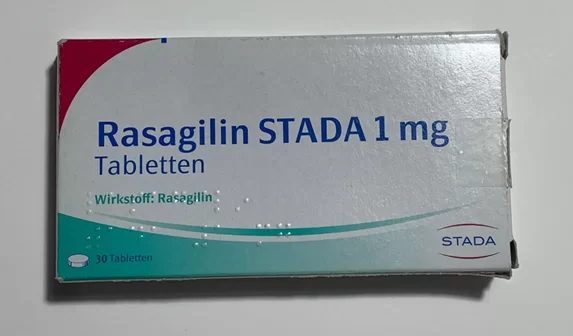
In contrast to moclobemide, on a very low dose of a MAO-B inhibitor (such as rasagiline), my brain is faster, mainly due to the strong and natural elevation of dopamine levels (in a very different way compared to reuptake inhibitors such as modafinil). On it, my brain is faster, I am more eloquent, and memory retrieval is easier. Particularly my executive functions seem enhanced. The correlation between dopamine levels/signaling and executive funcitons and working memory is well established in the literature.
I discuss the role of dopamine in the human brain here: The Brutal Neglect of Dopamine
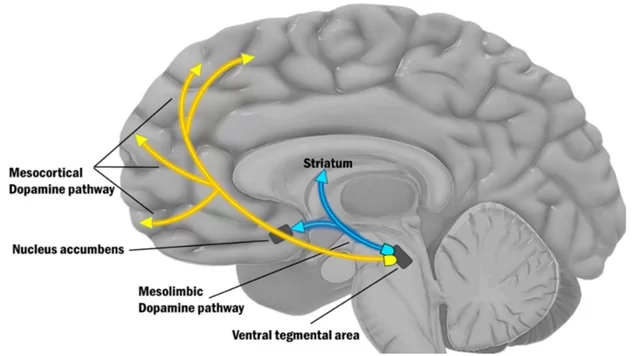
However, I am also noticeably more distracted and impulsive on it. While it probably does somewhat increase raw IQ (which is quite unique among all the molecules I have found), it likely has a neutral effect on everyday intelligence due to the increased distractibility and impulsivity.
Combining a very low dose of moclobemide with a very low dose of rasagiline gave me the best of both worlds. I am currently off both molecules because I found something even better, which though, is too powerful to share (at least for now).
My experience in more detail here.
Nicotine
I use flavorless nicotine gum almost daily. By mimicking acetylcholine, nicotine puts the brain into a great state for cognitive work. Acetylcholine is sort of an “activity-amplifier” in many cortical and subcortical brain networks.
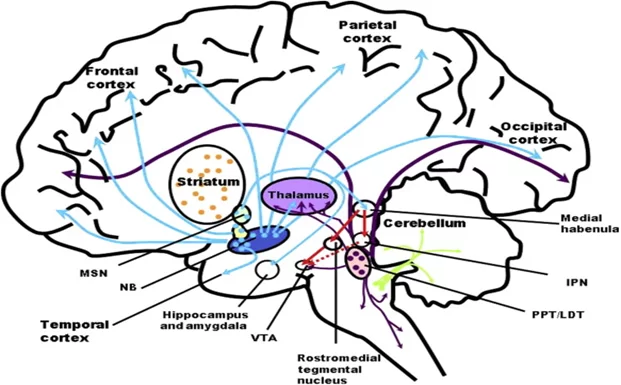
One important cholinergic nucleus is the nucleus basalis (NB) in the forebrain. This nucleus supplies a variety of cortical areas with acetylcholine, amplifying their activity, particularly in some areas of the prefrontal cortex.
Drugs that block cholinergic receptors, such as antipsychotics or tricyclics, are essentially “dumb drugs,” and they are also associated with cognitive impairment and dementia. Conversely, drugs that increase levels of acetylcholine, such as cholinesterase inhibitors, are often employed for the symptomatic treatment of dementia and are used off-label to induce lucid dreaming.
Nicotine itself reliably enhances cognitive performance on a whole range of tests. For me, the effects are very subtle, and I mostly use it as a “ritual” to tell my brain it is time for cognitive work, in the same way I use earplugs before sleep to tell my brain it is time for sleep. The effects on cognitive performance are probably there, but for me they are too subtle to clearly notice. My experience in more detail here.
On days with a lot of cognitive work, I sometimes take 300mg of alpha-GPC, which is a choline precursor. Unlike nicotine, I do notice alpha-GPC’s effect on cognition and, for me, it is almost as powerful as a microdose of modafinil, which I have not used in over a year for a variety of reasons (my experience here).
Pitolisant
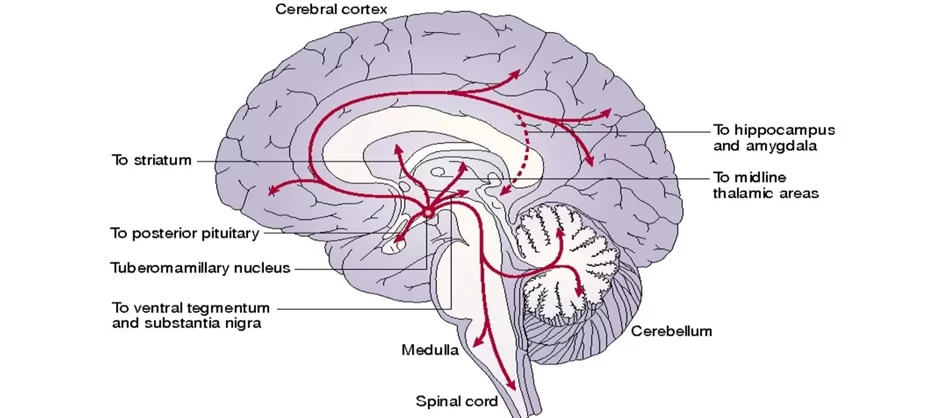
Histamine is usually discussed in relation to allergy & inflammation. However, histamine is a powerful (but unfortunately neglected) neurotransmitter.
Simplified: while noradrenaline in the brain is responsible for alertness, hypothalamic histamine is responsible for wakefulness, explained in greater detail here: An Introduction to Neurotransmitters (and How to Manipulate Them).
It is hypothesized that the wakefulness-promoting effects of modafinil are at least partly due to the indirect increase of TMN histamine release. Relatedly, antihistamine drugs are great hypnotics (e.g., trazodone, quetiapine, mirtazapine, diphenhydramine).
However, for a long time, pharmacologically tapping into the histaminergic system of the brain was off-limits because of body-wide immunological side effects (particularly mast cell degranulation, as happens during an allergy), which are the reason for the existence of antihistamine drugs such as levocetirizine and desloratadine.
Enter pitolisant. Pitolisant is an antagonist at the H3 receptor.
Similar to other neurotransmitters, histamine levels are co-regulated by negative feedback inhibition at the presynaptic terminal. In the case of histamine, the responsible autoreceptor is the Gi-coupled H3 receptor. By antagonizing this receptor, brain histamine release is disinhibited without unwanted peripheral histamine action. This increases wakefulness without stimulation – in a similar way orexin agonists would.
I take 4.5mg per day, which gives me roughly 50% of what a full dose (36mg) would give me. However, a full dose is cost-prohibitive, as it would cost me 20 euros a day (paid out of pocket).
H3-receptor antagonists are great cognitive enhancers with few (obvious?) downsides. Of interest, pitolisant reversed cognitive impairments and AD-like pathology in a mouse model of Alzheimer’s disease. Other studies show improvement in memory consolidation and retrieval in rodents.
On it, I am subtly more awake, which definitely helps me with pretty much everything else. My experience in more detail here.
NSI-189
Usually, I do not use non-FDA/EMA-approved molecules due to the lack of proper safety data (i.e., is the molecule safe?) and manufacturing quality control (i.e., do I get exactly what is on the label?). This includes peptides, bromantane, racetams, and a lot of other molecules that are propagated throughout the quacko-sphere.
However, as an MD I can get hold of pharma-grade NSI-189, and there are proper human studies on it, so I made an exception because the molecule sounded too interesting to pass on.
NSI-189 (currently named amdiglurax) was found using a brute-force method (high-throughput screening) to induce hippocampal neurons to grow in vitro. Essentially, they were bombarding thousands of petri dishes with around a dozen thousand different molecules and selecting the ones that induced the most growth. The lead compound they found would later be modified into NSI-189.
While the exact mechanism has not been elucidated, the most likely explanation is an indirect upregulation of neural growth factors (e.g., GDNF, BDNF, etc.). If TrkB is blocked (TrkB is the receptor for BDNF), most of the effects of NSI-189 seem to be blocked as well.
Anyway, I use NSI-189 in “play it by ear” cycles. What I certainly notice is that on it I dream more. Dreaming is an indicator of neuroplasticity. I also notice that my libido and energy levels are subtly higher.
I do not notice an effect on cognition other than increased vitality. However, there may be a subtle procognitive effect, even if I do not notice it. Most people would likely not notice if they have e.g., 3% better executive functions. A friend says that on it, he suddenly remembers memories from his childhood that he had not been thinking about for over a decade. Definitely a very interesting molecule.
Interestingly, whenever anhedonia is looming (which happens to me perhaps once a year or so), a couple of days on NSI-189 does something to my brain (presumably upregulating neuroplasticity), and the episode is gone. It seems to increase the intensity of emotions a little bit.
My experience in more detail here.
Yohimbine
Yohimbine is my favorite stimulant and pretty much the only stimulant I ever use (other than the very occasional use of microdoses of caffeine). At the moment, I use 5mg daily, usually split into multiple doses of 1.25mg or 2.5mg.
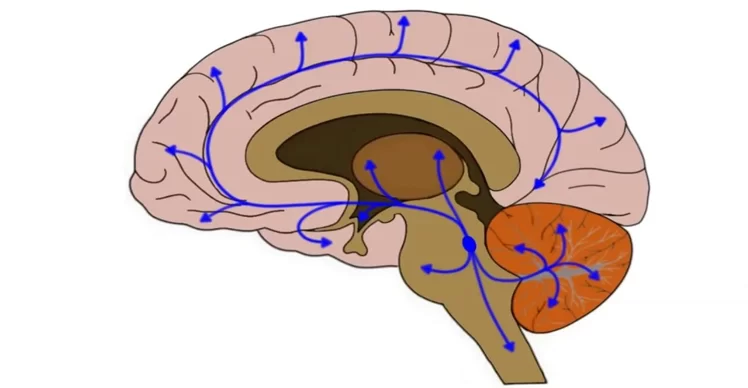
Yohimbine is an alpha-2 receptor antagonist. Given that a2 adrenergic receptors are located on the presynaptic terminal, the associated Gi-coupled signaling “disinhibits” noradrenergic synapses (the basics of noradrenaline signaling are explained in more detail here). In other words, it disinhibits sympathetic tone and is therefore a sympathetic nervous system stimulant.
At low doses, it is subtle and not harsh in any way. On it, I am alert and can think more clearly. My emotions are more intense and deeper. My libido is stronger.
I only ever use it at low doses, and even 1.25mg lasts for a couple of hours, presumably because I am a homozygotic CYP2D6 poor metabolizer, which prolongs yohimbine action. In fact, for me, yohimbine has a half-life on the order of 6 hours or so (instead of 1–2 hours) because I have two copies of “bad” CYP2D6, the enzyme that metabolizes yohimbine, which makes yohimbine for me the near-perfect stimulant.
In fact, I take low doses of yohimbine multiple times per day in a similar way others use caffeine multiple times per day. For me, yohimbine is just better in every way.
I discuss my experience with it in more detail here.
Daridorexant
Orexin antagonists are the new hypnotics on the block. In my experience, they are really great and near-perfect sleep enhancers with few to no downsides.
Based on animal studies, orexin receptor antagonists have less propensity for causing tolerance compared to other sedatives and hypnotics. Furthermore, they do not seem to interfere with cortical housekeeping and plasticity. In fact, on them, friends and I notice that we dream more vividly, which tentatively points to increased neuroplasticity (instead of decreased neuroplasticity, as with most other hypnotics).
Daridorexant is a dual orexin-receptor antagonist. Orexin is fairly specific to the sleep-wake system in the same way GLP-1 is fairly specific to the appetite-satiety system. This is very different from drugs that simply dampen the whole central nervous system, such as GABAergics (e.g., benzodiazepines, alcohol, Z-drugs, gabapentinoids) or antihistamines (e.g., trazodone). This is in the same way that GLP-1 agonists are different from stimulants (which are the conventional appetite suppressants such as phenfen, amphetamines, bupropion-naltrexone, etc.) that simply stimulate the hell out of a nervous system and thus reduce appetite as a byproduct.
Whenever I take daridorexant (I usually take 25mg), I pretty much guarantee myself a great sleep, which noticeably increases my neurocognitive performance and hence intelligence the following day. Unlike other hypnotics, for me, daridorexant has little tolerance or withdrawal.
Metreleptin
For almost 4 years, I have been on a low dose of metreleptin. I am probably the only person in the world that uses metreleptin for biohacking purposes, simply because it is nearly impossible to get hold of. Its only function is to allow me to carry low levels of body fat without adverse effects (for looksmaxxing/vanity reasons).
For this purpose, metreleptin blows GLP-1 agonists (my experience with semaglutide here) out of the water. GLP-1 agonists are powerful at high body-fat levels (where metreleptin performs poorly), and metreleptin is powerful at low body-fat levels (where GLP-1 agonists perform quite poorly—at least in terms of energy levels, emotionality, libido, and vitality).
Leptin receptors are all over the brain, particularly the hippocampus, and elevated leptin levels may be one reason (next to increased IGF-1 levels) why overweight individuals are somewhat protected from dementia. There is quite a lot of data showing that leptin is important for neurotransmission, cognition, and CNS housekeeping, and in terms of brain health, it is probably quite unhealthy to keep leptin levels very low for a long time.
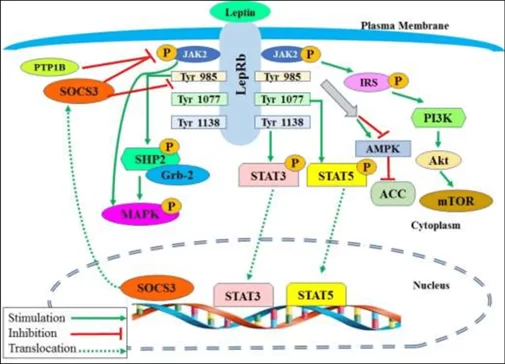
Whenever I stop metreleptin for a couple of days, I notice how strongly much it affects my cognition. Off it, I am hungry, distracted, restless, and lethargic – adaptations to low body fat. On it, I simply feel and function normal.
My leptin dose simulates a body-fat level of about 15–20% (instead of the 10% I carry). My experience with metreleptin in more detail here.
TRT-lite
I use 150 IU of HCG to get my testosterone and estradiol levels to the top of the male reference range (without fully shutting down my endogenous HTPA).
Before using HCG, my estradiol levels were always below the male reference range, even though my HTPA was fully online (thanks to metreleptin, which eliminates the negative effects of low body fat on hormone production).
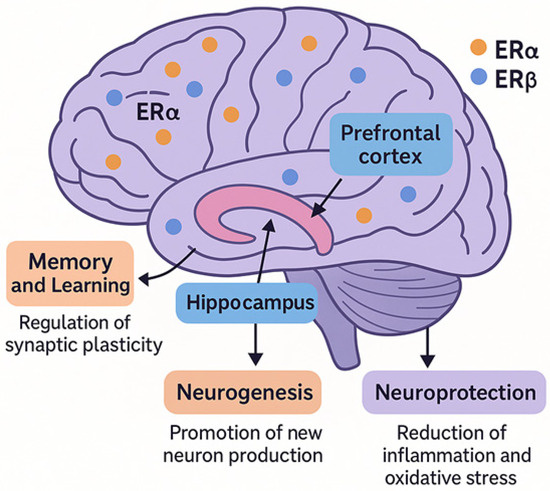
Ever since being on TRT-lite, I notice increased energy levels and improved cognition and mental flexibility, which I do think is partly due to the increased estradiol levels. Many bodybuilders report that they feel and function “like shit” whenever estradiol levels are too low – emotions are gone, vitality is lower, and cognition is poorer.
I feel subtly smarter when my E2 levels are higher rather than lower, both in analytical but also in emotional and social intelligence. Furthermore, a severe drop in E2 is the major reason why two-thirds of AD patients are women. Through the regulation of dozens, if not hundreds, of genes, adequate E2 levels are very important for neuroplasticity, memory formation, and countless other things associated with brain health.
My experience with TRT-lite in more detail here.
Fludrocortisone
Lately, I started experimenting with a very low dose of fludrocortisone- 0.025mg, which is about one-fourth of a therapeutic dose. Combined with electrolyte powder, this improves whole-body hydration.
With low body-fat levels, unfortunately, I have a tendency to dehydrate. By adding a tiny dose of a synthetic aldosterone, my hydration is better. I could achieve this with more electrolyte powder plus water, but drinking all the time is a nuisance and also makes me pee a lot.
Low-dose fludrocortisone allows me to be a little more lenient, and on it, I do not have to micromanage my electrolyte-fluid intake as much. Similar to metreleptin, this is only “necessary” because I keep my body-fat levels lower than what is ideal for my physiology.
On this dose, I hold about 0.5–1 liter more fluid. Dehydration subtly affects mood and cognition and causes subtle “brain fog.” On fludrocortisone, coupled with electrolyte powder, I am automatically hydrated all day long.
At this dose, fludrocortisone is devoid of side effects and also does not really affect my endogenous aldosterone synthesis. Not sure if I will keep this one, I only started a month ago, but thus far it looks promising.
Summary
Most of the cognition-enhancing effects likely come from the basics discussed above (sleep, exercise, social connection, cardiovascular health, metabolic health). However, this blog is not about the basics.
A lot of what’s described is really:
- arousal optimization
- mood optimization
- fatigue reduction
These improve everyday intelligence but are not the same as improving raw intelligence. I hope I made this clear. So, my protocol is mostly about feeling energetic, motivated, and vital in the moment (without relying on stimulants too much).
Given that some of the interventions are quite “unique” and poorly researched outside of disease areas (e.g., pitolisant, NSI-189, leptin manipulation), I may be underestimating long-term risks even though everything makes mechanistic sense on paper and also feels conducive subjectively.
I am aware that I am stacking multiple prescription / off-label CNS and endocrine interventions where the downside tail includes long-term unknowns but that is a price I am willing to pay to feel & function better in the potentially last couple of years until AI either radically transforms humanity…or causes extinction.
Sources & further information
- Scientific article: Neuroplasticity and Clinical Practice: Building Brain Power for Health
- Scientific article: Understanding the nature of the general factor of intelligence: the role of individual differences in neural plasticity as an explanatory mechanism
- Scientific article: Brain Plasticity and Intellectual Ability Are Influenced by Shared Genes
- Opinion article: David Pearce – Smart Drugs
- Opinion article: David Pearce – The Biointelligence Explosion
Disclaimer
The content available on this website is based on the author’s individual research, opinions, and personal experiences. It is intended solely for informational and entertainment purposes and does not constitute medical advice. The author does not endorse the use of supplements, pharmaceutical drugs, or hormones without the direct oversight of a qualified physician. People should never disregard professional medical advice or delay in seeking it because of something they have read on the internet.