
About once a year, mostly in the winter, I go through a phase of what I would call anhedonic depression. I have been dealing with this for years. In the past, these episodes hit me about 3 to 5 times per year, each lasting a couple of weeks. In the last two years, I have only had one episode, presumably because some of my interventions have reduced the frequency and intensity (including metreleptin, having elevated my caloric intake from about 2,500 to about 3,500, and HCG).
In the past, a single dose of ketamine has always been sufficient to kick me out of it. I am always reluctant for a couple of weeks to use it, because it is probably more neurotoxic than the medical community currently appreciates (see: Ketamine Is More Neurotoxic Than You Think). But when I finally do take it, within 24 hours it feels as though somebody has turned my vitality back on, and usually it stays on for at least a few weeks, sometimes months.
During these episodes, I am mostly focused on myself because I simply do not have the energy to focus on others. A very good friend has repeatedly told me that I become too egocentric in our conversations, particularly during those times. I am also an asshole on autopilot, and the lights in my consciousness are too dim for me to notice when people around me are suffering, and sometimes even to notice them at all.
Conversely, when I am feeling well (energetic, great mood, motivated), I am more like an overflowing cup. I have excess energy to spare. I can listen better to others, I notice when they are not doing well, and I can expend more effort to help them. In fact, I would argue that the single biggest factor in how good of a friend or doctor I am is my vitality.
This brings me to the ethical question. Given what I know about my patterns, about neurobiology, and given my means to intervene, would it not be unethical not to intervene?
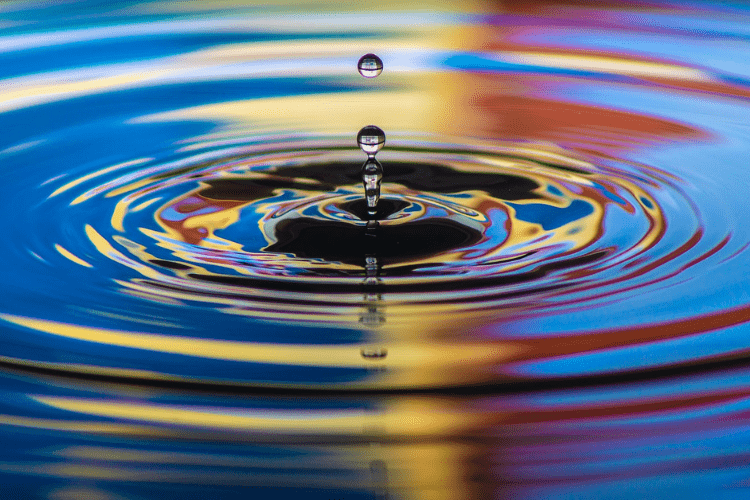
First, I am a worse person to the people I directly associate with: friends, family, patients. Second, I send out fewer positive ripples into the world. Everyone I tangentially touch is worse off. This can range from being a less empathetic doctor, to working fewer hours of overtime and therefore paying less taxes, to being more impatient in the supermarket line, to more readily making snappy comments in online environments.
Biological factors ripple through my life in the same way an earthquake ripples through the Earth’s crust. My energy levels, mood, health, motivation, concentration, emotionality, memory, and cognition (all of which have strong biological underpinnings) affect me every waking second of every single day.
These biological factors then influence my thinking patterns, the lifestyle I lead, the decisions I make, the relationships I have, my productivity, my happiness, and much more. Whatever I want in life, whether that is creating, contributing, achieving a specific goal, or simply living life to the fullest – my biological makeup can make or break it.
Furthermore, everything I do has ripple effects that spread far beyond where I can ever see them. Something I do may affect the way someone else interacts with others, which in turn may affect how they interact with others, and so on and so forth.
Not even considering the potentially positive effects in my own life, when I decide not to intervene despite having the means to do so, I choose to indirectly harm others. And deliberate inaction is a conscious decision, in this case an unethical one.
Of course, biological intervention is always a complex calculation of tradeoffs and carries significant risks. But there are also significant risks from doing nothing, a point that is often neglected.
If I find something that suits my individual biology, needs, and preferences, I can potentially derive compound interest across many domains of my life for years to come. Furthermore, the non-zero-sum nature of my world implies that if I improve my health, happiness, performance, and productivity, it benefits not just me but also those around me, a concept known as “moral bioenhancement”.
Weekly observations
This article was a weekly observation, shared via my newsletter. The full archive can be found here.
Disclaimer
The content available on this website is based on the author’s individual research, opinions, and personal experiences. It is intended solely for informational and entertainment purposes and does not constitute medical advice. The author does not endorse the use of supplements, pharmaceutical drugs, or hormones without the direct oversight of a qualified physician. People should never disregard professional medical advice or delay in seeking it because of something they have read on the internet.