
Almost every recreational drug taken frequently is known to affect long-term neurobiological function – usually in a negative way. For many of these drugs, we have quite a bit of preclinical toxicology data and sometimes even MRI data that they lead to visible neurotoxicity – much more than just microscopic damage.
This is known for ketamine (discussed here), MDMA (discussed here), methamphetamine, cocaine (discussed here), opioids (discussed here), THC (discussed here), and alcohol. Perhaps even therapeutic amphetamines. Exceptions are nicotine and caffeine, which are not prone to causing a high like other drugs.
However, neurotoxicity is not what this post is about. This post is about long-term brain changes. It seems that the brain can rewire depending on how it is used.
Anecdotally, people who take a lot of cocaine tend to get more cocky over time, people who take a lot of psychedelics become “weird”, people who smoke a lot of weed tend to become sloooow and dumb (with a few exceptions), and people who take a lot of modafinil tend to become rational (instead of emotional) and perhaps slightly autistic. Similarly, people who take SSRIs tend to become less emotional and empathetic over time. In all cases, the changes seem to persist even after the agent is stopped.
As people meditate, they “train” certain neural networks. As these networks are activated, they will strengthen. Networks that are activated less, will weaken (“Use it, or lose it.”). There are tons of fMRI studies confirming long-term brain changes in people who start to meditate. This is somewhat analogous to training a specific movement. If practiced enough times and with enough force, it will induce musculoskeletal adaptation.
In the past, I had been on low doses of semaglutide for about 4 years. I have been off the drug for about 15 months now but my appetite is nowhere near what it was before semaglutide, probably about half. In my late teens, I put myself on an aromatase inhibitor in order to keep my growth plates open. On it, my libido was crushed given that E2 is very important for libido. However, my libido took a very long time to recover even after stopping the drug. Analogous things may hold true for SSRI-induced sexual dysfunction.
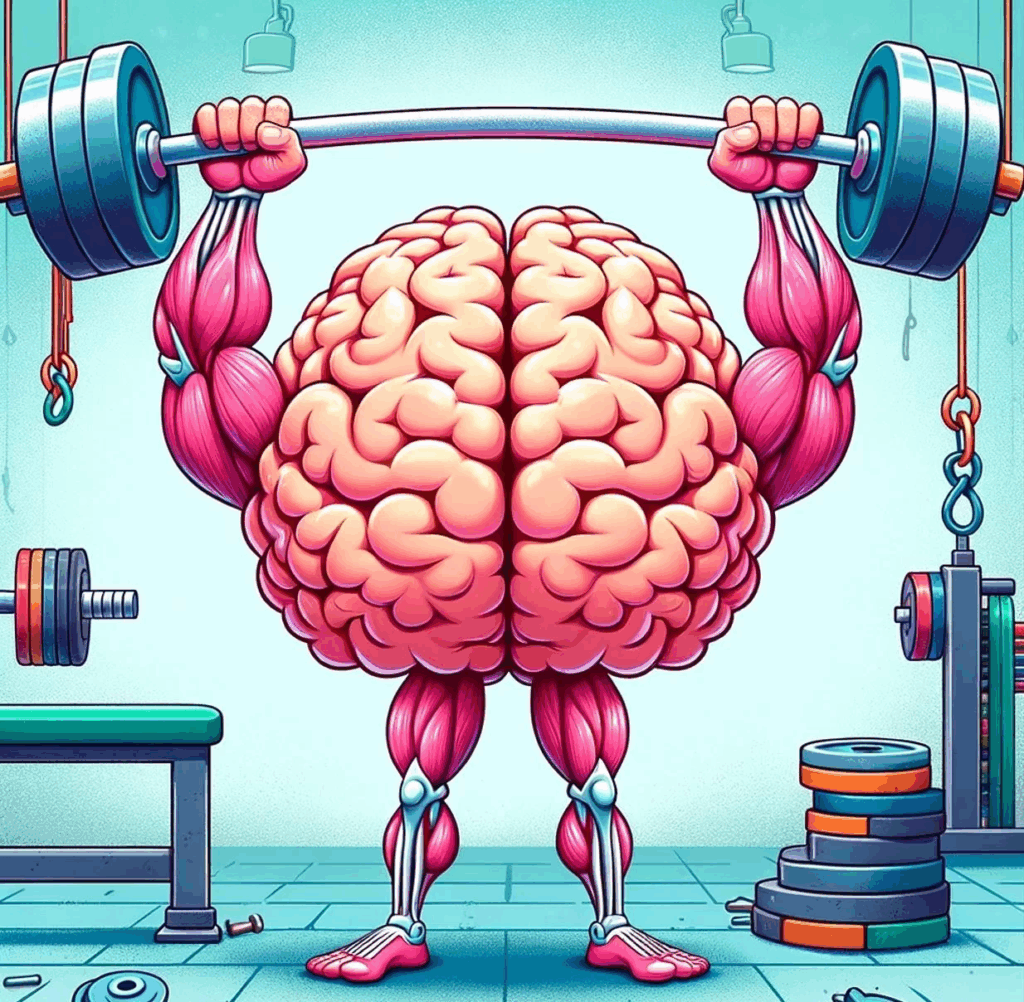
In other words, it seems that the more one spends in a certain brain state, the more this state is long-term potentiated. This is probably through a combination of sustained gene expression changes (epigenetics) and perhaps more importantly by affecting the “strength” of whole brain networks.
So in a way, “the brain keeps the score” and seems to “remember” the influence of past activation patterns. From a scientific perspective, we know pretty well what a certain molecule does to an individual neuron (e.g., binding affinities to a whole range of receptors) but what this means in terms of long-term effect on brain structure and brain function seems quite unexplored.
We know for example that amphetamines or methylphenidate, if taken by kids with ADHD, seem to push neural activation patterns towards “non-ADHD” over time but most other neuropharmaceutical drugs seem pretty non-researched in this regard.
Anecdotally, I have heard from patients many times that after taking antipsychotics for some time that they were “never the same again” – usually more dumb, dull, and apathetic. Given that many antipsychotics block a whole range of receptors, first and foremost dopamine pathways, it is not too far-fetched to assume that the brain “remembers” these activation patterns through effects on neural networks (LTP/LTD). It is also conceivable that an individual neuron remembers past exposure patterns through self-sustaining loops in gene expression patterns.
So, all in all, experimenting with a specific molecule, particularly frequently and/or for a long time can have three kinds of effects on the brain:
Firstly, neurotoxicity. Unlike synaptogenesis (spinogenesis/dendritogenesis) neurotoxicity is a one-way street. While increased synaptic density can reverse over time, a dead neuron can never undie. For example, this may be the reason why the magic of the first MDMA trip can never be recaptured in subsequent trips.
Secondly, network activation changes seem to long-term potentiate and/or long-term depress if they are activated strongly and/or frequently. In other words, the brain seems to remember past brain states. This is probably what is occurring with hallucinogen persistent perception disorder (explained here). This is probably also what happened to me after having had an eating disorder in my early twenties. It took many months (perhaps even years) of normalized eating, weight gain, and leptin exposure to feel “normal” again – probably accompanied by measurable brain changes in a number of regions. There is fMRI evidence that after 1 year on metreleptin there are a number of trophic changes in brain structure.
Thirdly, an individual neuron may also remember specific activation patterns through (sustained?) changes in gene expression patterns. This may be the reason why long-term administration of amphetamines can cause anhedonia. It may also offer a competing explanation to Post-finasteride syndrome or post-SSRI sexual dysfunction. Unfortunately, all this has not been well researched (and is quite hypothetical) though I think this is a highly relevant topic.
Weekly observations
This post was sent out to my newsletter subscribers as a Weekly Observation, one of which I share in my newsletter every week. You can find the full archive here.
Disclaimer
The content available on this website is based on the author’s individual research, opinions, and personal experiences. It is intended solely for informational and entertainment purposes and does not constitute medical advice. The author does not endorse the use of supplements, pharmaceutical drugs, or hormones without the direct oversight of a qualified physician. People should never disregard professional medical advice or delay in seeking it because of something they have read on the internet.