
This article with the most boring title ever is a random collection of diet-related notes. I discuss my own diet and the principles I adhere to in more detail here.
Thoughts on protein
I aim to consume about two grams of protein per kilogram of body weight per day. If I do more than that, my BUN becomes elevated and I need to pee all the time.
Consuming sufficient protein helps with satiety, and more importantly, with building and maintaining muscle mass, which is associated with all kinds of health benefits, including a greater quality of life, better looks, and improved metabolic health.
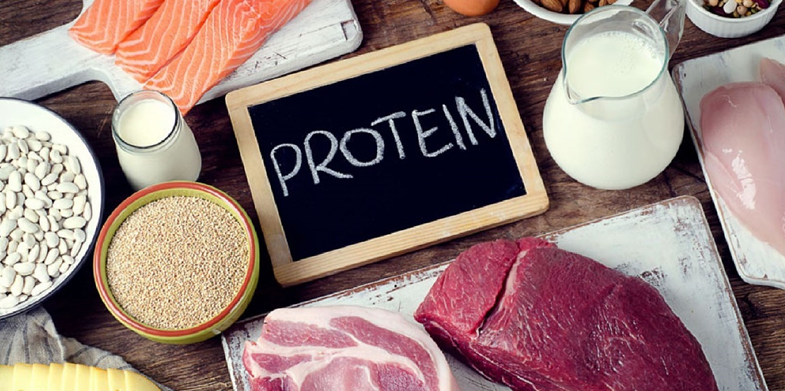
Unfortunately, pretty much no one knows for sure whether consuming excess protein for extended periods of time is safe for the kidneys. To err on the safe side, I keep an eye on my BUN (blood urea nitrogen) levels, which may be an indicator of whether my protein intake is unnecessarily high.
Thoughts on meats
I eat meats multiple times per day. While meats are incredibly nutritious and contain lots of useful molecules, meats are quite bad for the planet (e.g., methane excretion, deforestation) and cause a lot of animal suffering. Personally, I look forward to lab-grown meat from cultivated myogenic stem cells.
I supplement with a lot of molecules primarily found in meats such as creatine, carnitine, carnosine, choline, CoQ10, taurine, magnesium, and zinc. Interestingly, humans can survive on a meat-only diet alone provided that organ meats are included.

Between 2 Mio. and about 15.000y ago, a significant percentage of our calories was (likely) derived from fatty meats. Humans were apex predators, and everywhere they appeared, this coincided with a local megafauna die-off. For example, 50k years ago, there was a large decline in a wide variety of large African animals.
As soon as humans expanded into Eurasia, the local megafauna started to dwindle. Humans crossed over into America and lo and behold, the large animals suddenly started to magically disappear quickly after our ancestor’s arrival. Whatever the percentage, it seems quite certain that meat was a staple of our more recent evolutionary history.
This may be part of the reason human bodies are much less sensitive to a high-fat diet. For example, if a gorilla is fed a high-fat diet, it will die in its early twenties of atherosclerotic disease. However, humans are quite immune to these pro-atherogenic effects of fat and cholesterol – at least compared to other primates.
Thoughts on salt
Sodium is important for osmolarity, hydration, and proper nervous system function.
There is a widespread notion that a low-sodium diet is healthy and conventional medical advice has resulted in a “salt scare”. Salt is very abundant in processed foods, which are usually enriched in sodium to improve taste and preservation. Cutting out salt means cutting out processed foods, which is a huge confounder.
Consuming a lot of salt may increase fluid volume and may raise blood pressure, which is bad for cardiovascular health, the eyes, the nervous system, and the kidneys. According to the available literature on the subject, some people are much more sensitive to the hypertensive effects of sodium than others.

However, for people already on a healthy diet low in processed foods, deficient salt intake is probably more likely an issue than excess salt intake. In fact, low-level hyponatremia is quite common in “health-conscious” individuals, often causing low-level weakness and brain fog.
The kidneys are the organ with the highest density of insulin receptors and insulin stimulates sodium retention. Conversely, a lack of insulin causes natriuresis (salt excretion). Therefore, when I was on a ketogenic diet, I made sure to add an adequate amount of salt to my meals.
Currently, I take roughly 1g of sodium chloride as part of my morning electrolyte mix.
Thoughts on sugar
A couple of years ago, I was low-level addicted to sugar, in particular chocolate. Interestingly, since having been on semaglutide, it seems that sugar, and sweetness in general, has lost most of its “pleasure” (though, I can still taste it normally – just without much “pleasure”). For some reason, this effect still holds even though I have been off semaglutide for 2 years now.
Nowadays, I try to avoid sugar when I am eating by myself. However, I do not mind eating it on social occasions.

I believe that the addition of sugar to pretty much everything, which is one of the current business models of the food industry, is in part responsible for the obesity epidemic.
Obesity comes down to two things:
- #1 – People eat too much.
- #2 – People store too much.
Sugar affects both. Sweetness stimulates people to eat more, and the specific metabolism of fructose causes people to store more.
Sweetness = People eat too much
My uncle has recently gone off sugar, and he said that he was low-level depressed for about two weeks after coming off. Sweetness itself is quite addictive, particularly if consumed in a concentrated form. Why else is there “always room for dessert”?
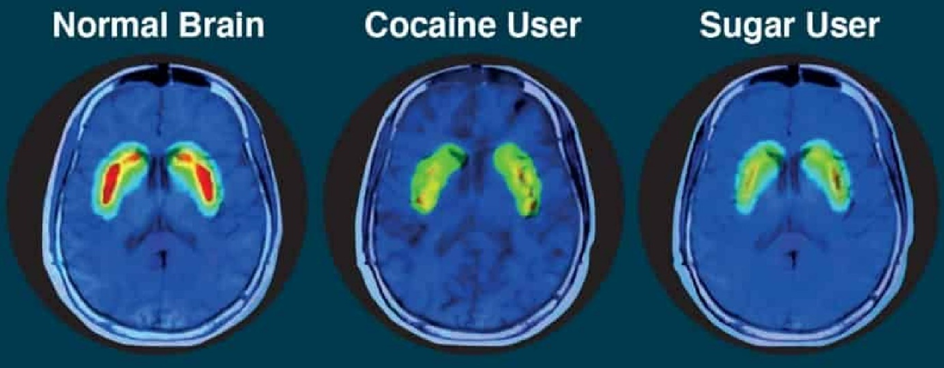
The addition of sugar to pretty much everything causes people to (subconsciously) eat more and also to have more cravings (which is great for sales).
Fructose metabolism = People store too much
Sugar (sucrose) is composed of one glucose + fructose monomer. The fructose component has several things wrong with it, particularly if consumed in a concentrated form, such as in sweets or soft drinks.
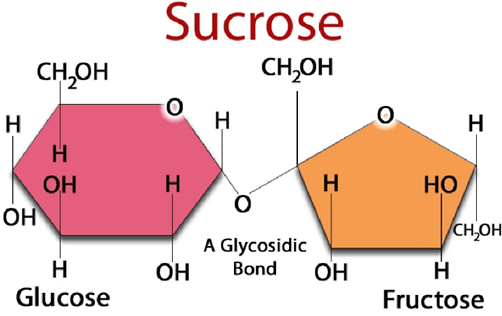
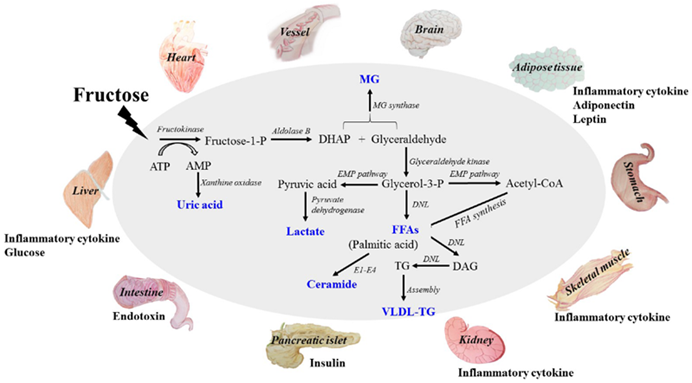
Fructose is metabolized differently than glucose. When a hefty load of fructose hits the liver, it bypasses a key regulatory step of glycolysis, and metabolic intermediates are shunted into fatty-acid synthesis (de-novo lipogenesis). This results in a local accumulation of fat, leading to fatty liver and insulin resistance, which wreaks havoc on metabolic health.
For this very reason, some researchers call fructose “ethanol without the buzz”, as it leads to non-alcoholic-fatty-liver disease (NAFLD) in a similar way alcohol leads to alcoholic fatty liver disease (AFLD).
Considering that the US diet is 15-20% sugar (= 7-10% fructose), it is no wonder that the US has a major problem with NAFLD and obesity. Researchers assume that drastically reducing sugar consumption (e.g., by imposing a sugar tax) would save the US billions of dollars per year in medical expenses, which, however, would also lead to major losses for two key industries.
Some researchers hypothesize that the ability to turn fructose readily into fat was associated with evolutionary benefits. Fructose is the primary nutrient in fruit, which was a main staple of early primates. Fruits became less available during the global cooling, which occurred at the time of the mutations of uricase and a key fructose-metabolizing enzyme. These mutations may have allowed our ancestors to readily accumulate fat via the metabolism of fructose from fruits and survive harsh (and fruitless) winters.
If all this were not enough, by depleting intracellular phosphate levels, fructose metabolism is thought to elevate levels of uric acid, which has adverse effects on blood pressure and deposits in the form of calcium-urate crystals throughout the body, impairing tissue structure and function (much more than just leading to gout).
I take 150mg of allopurinol per day – which I discuss here: My Experience with Metabolic Drugs
Concluding thoughts on sugar
Right now, adding sugar to foods is one of the core business models of the food industry. They add more sugar, they sell more food.
The food industry spends billions of dollars on nutrition research to confuse people that they should “eat less and exercise more” because it is all about “calories in vs. calories out”. This is one of the greatest (and most devastating) nutrition myths ever contrived. I discuss this in more detail here: Why Weight Loss is not About “Calories in vs. Calories Out”
The truth is that sugar in the way it is currently consumed is addictive and causes weight gain and creates all sorts of metabolic issues.
Thoughts on fruits
The adverse metabolic consequences associated with sugar mainly occur if large amounts of fructose are consumed in a short amount of time (e.g., soft drinks, sweets). From a metabolic perspective, most fruits are presumably fine (perhaps except for dried fruits and grapes, both of which contain fructose in a highly concentrated form).
Fruits consumed in reasonable quantities are not much of an issue because the fiber contained slows absorption, which firstly, allows for about half of the fructose to be converted into glucose by the microbiome, and secondly, the slowed absorption does not “overrun” the liver and grants it the time necessary to turn much of the fructose into glycogen.
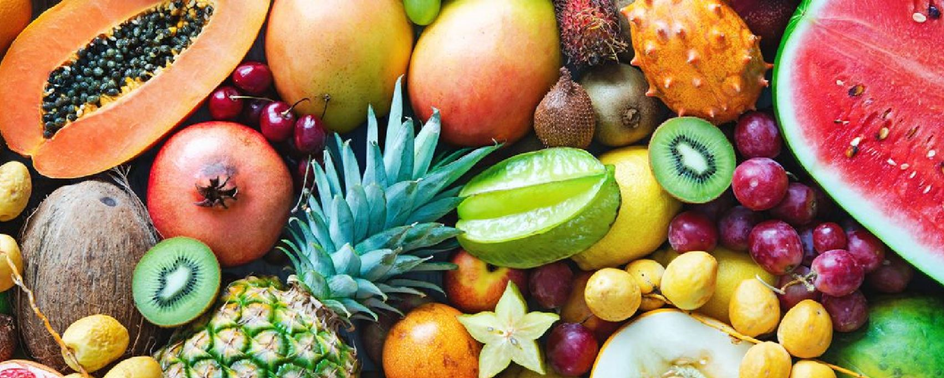
Therefore, fruit consumption in reasonable quantities is thought to pose little metabolic risk. Furthermore, there is evidence that fruit consumption reduces all-cause mortality. However, as always in epidemiology, there are a lot of potentially confounding variables, in particular the healthy-user bias.
Thoughts on vegetables
Vegetables have many health benefits.
- The nitrates lower blood pressure and improve cardiovascular health. This can also be had with L-citrulline supplementation or tadalafil, both of which improve NO-signaling.
- Many vegetables are rich in antioxidants (e.g., xanthines, polyphenols, lycopene).
- Vegetables are a great source of vitamins and minerals.
- Veggies contain both soluble and insoluble fiber and therefore promote microbiome diversity.
- Vegetables have a low energy density and therefore contribute to satiety without excessive caloric intake.
The only downside is that some cruciferous vegetables (e.g., broccoli, kale) contain goitrogens, which can impair thyroid health.
Thoughts on artificial sweeteners
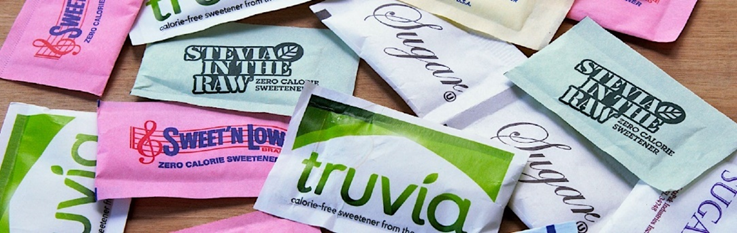
From a molecular and metabolic standpoint, different artificial sweeteners are vastly different. However, there are a couple of general points that apply to most of them.
“Confusion” of appetite regulation
Some researchers speculate that because artificial sweeteners activate sweet receptors in the tongue but are not coupled to caloric value, over time, the brain “learns” to dissociate sweetness from caloric content, which could promote people to eat more.
Addictiveness
Sweetness itself leads to a hedonic reaction (a “pleasure” reaction) within the mesolimbic dopamine system, which makes people more addicted to sweetness, and food in general.
Furthermore, having something sweet in one’s mouth reduces various aspects of cognition for the time the pleasure-reaction is ongoing, which makes evolutionary sense (“Keep doing whatever you are doing, and stop thinking about it, because whatever you are doing is adaptive.”).
Similar things apply to monosodium glutamate (MSG). While MSG may not be “bad” per se, it does promote overconsumption in an analogous way artificial sweeteners do, and therefore, the 2nd order consequence is that people tend to eat more, which has a variety of 3rd and 4th order consequences.
Effects on the microbiome
Some artificial sweeteners are not absorbed by enterocytes (the cells lining the human duodenum). This means that they pass through the duodenum and are then available to the microbiome. Since different microbial species differ in their preference for metabolic substrates, the species that are more capable at metabolizing these sweeteners will gain a selective advantage and proliferate, which may alter the balance of the microbial ecosystem.
Some artificial sweeteners such as saccharin, sucralose, and acesulfame K have been experimentally proven to do this.
Concluding thoughts on artificial sweeteners
There is preliminary evidence that consumption of artificial sweeteners is correlated with metabolic disease. Furthermore, animal experiments suggest a potential causal relationship. However, it is hard to draw conclusions from epidemiology or high-dose animal experiments.
I personally do consume artificial sweeteners (mostly in the form of Huel shakes) and I do not think that consuming them in reasonable amounts is “bad”, and they are, in my opinion, definitely better than real sugar.
Subscribe to the Desmolysium newsletter and get access to three exclusive articles!
Thoughts on omega-6 fatty acids
Compared to our evolutionary ancestors, most people’s intake ratio of omega-3 to omega-6 fatty acids is skewed in favor of omega-6 fatty acids by a factor of five to ten, because they are abundant in vegetable oils such as soy, corn, and sunflower oil, all of which are extensively used in modern food processing.
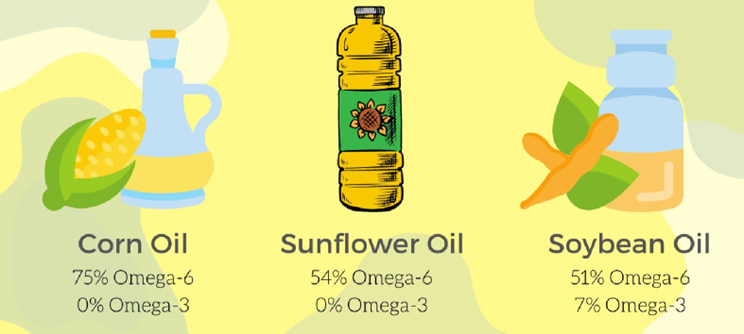
Some researchers speculate that omega-6 fatty acids are (potentially) harmful because of the following reasons:
- They are precursors to pro-inflammatory eicosanoids and therefore might increase levels of inflammation.
- They may disrupt the regulation of a set of important transcription factors (PPARs) affecting cellular metabolism.
- They increase oxidative stress because as polyunsaturated fatty acids (PUFAs) they contain multiple unsaturated bonds that are easily oxidized.
The fearmongering around them seems unjustified. In my opinion, it is much more important to focus on consuming sufficient omega-3 fatty acids compared to avoiding omega-6 fatty acids.
I personally only use olive oil for pretty much everything, but I do not really care if the foods I eat occasionally (e.g., eating out, social occasions) contain omega-6 fatty acids or not.
I discuss omega-3 fatty acids in more detail here: Nutrients & Supplements I Take and Why I Take Them
Thoughts on fiber
Fiber includes all carbohydrate molecules that cannot be broken down by human digestive enzymes. More specifically, this includes a large variety of different polysaccharides that are grouped into insoluble fiber (fiber that is not soluble in water) and soluble fiber (fiber that is soluble in water).

Both kinds of fiber slow stomach emptying, which reduces insulin and glucose spikes and promotes satiety. Furthermore, both kinds of fiber promote healthy bowel movements and therefore regularity. Both kinds of fiber also promote the secretion of a variety of gastrointestinal peptides, such as GLP-1.
I will now discuss the distinct upsides of both types of fiber in a little more detail:
- Insoluble fiber provides bulk, softens stools, coats the gut lining (thus preventing irritation), and binds up some of the cholesterol, which is then not reabsorbed via the enterohepatic circulation but excreted.
- Soluble fiber is a substrate for many microbial species, and without enough soluble fiber, the balance of the microbial intestinal ecosystem gets disrupted and skewed towards a community with fewer, less varied species. Whenever species richness decreases, some of these species are thought to potentially turn pathogenic via quorum sensing. Soluble fiber specifically promotes the growth of beneficial bifidobacteria and lactobacilli, which metabolize it into short-chain fatty acids (SCFA). These SCFA then improve the gastrointestinal barrier, are anti-inflammatory, and have beneficial effects on metabolic health.
Practical aspects
Sufficient fiber consumption is associated with a plethora of benefits. These include a “better” microbiome, stronger gut lining, better health of intestinal cells, increased release of GLP-1, satiety, and a reduction in cholesterol. The downsides of excess fiber consumption include a reduced bioavailability of medication, and some bloating (particularly initially).
If fiber consumption is deficient, supplemental fiber can be helpful. In the past when my diet was low in fiber, I supplemented with around 10g of psyllium husk per day, which is a great form of mostly insoluble fiber (though it also contains some soluble fiber). Furthermore, I supplemented with 5g of inulin or acacia fiber, both of which mostly contain soluble fibers, and both of which are potent prebiotics.
The consumption of prebiotics can be great for long-term gut health and microbial balance. However, in the short term, taking them can be quite uncomfortable due to the large amount of gas that prebiotics are prone to generate.
Therefore, I started with only a little supplemental fiber and gradually worked my way up, as otherwise there would have been a lot of indigestion and bloating. However, after a couple of months, I stopped because I felt that I had more gastrointestinal issues than normal. I have not gone back to supplemental fiber since.
I discuss the gut microbiome in more detail here.
Thoughts on dairy
Dairy is an interesting food. While the macronutrient composition of most foods explains much of their effects on physiology, dairy is different.

For some people, dairy foods cause bloating, gut issues, tiredness, and negatively affect the lipid profile. Most people assume that these adverse reactions to dairy are due to its lactose content, which though is only part of the story.
Dairy contains two interesting proteins, which are responsible for making dairy a quite unique food. Most dairy protein is either casein (80%) or whey (20%). While both proteins are of remarkably high quality (judged by amino acid composition), they are also thought to have hormone-like effects.
Whey
Whey protein is quite insulinogenic – much more than one would predict. The reason is not exactly known. Theories range from vago-vagal reflexes, leucine directly acting on pancreatic beta cells, or an incretin mechanism due to the release of GLP-1 and GIP.
While the potentiated insulin response may be beneficial post-exercise, the insulin release may also have adverse effects on metabolic health and weight control. Given this, it is likely no coincidence that some people claim they feel better (or have an easier time losing weight) after they cut out dairy.
Casein
In contrast to whey (which is easily hydrolyzed), casein takes much longer to digest making it sort of an “extended-release” reservoir of amino acids. Furthermore, in some yet unexplained way, fractions of the casein protein are able to induce the hepatic synthesis of IGF-1.
IGF-1 is a potent growth factor that helps young animals grow (therefore, from an evolutionary perspective, it makes sense that dairy stimulates IGF-1 synthesis). For longevity purposes, IGF-1 is a double-edged sword. On the positive side, it helps with muscle growth, vitality, and immune function and reduces the risk of atherosclerosis as well as dementia. On the negative side, it may elevate the risk of cancer and slightly increase the speed of aging.
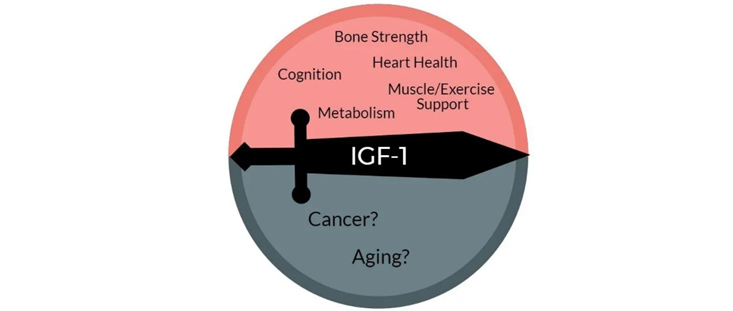
Some researchers hypothesize that the mechanism may involve the transcytosis of a fraction of the casein protein, which then exerts hormonal effects on hepatocytes (liver cells). However, the exact mechanism behind casein’s ability to stimulate IGF-1 synthesis is unknown.
Furthermore, a non-minor percentage of people is immunologically sensitive to the alpha-s2 casein protein (a version of the casein protein found in many cows of Northern European ancestry), which may explain in part why some non-lactose-intolerant people react badly to dairy (e.g., lethargy, bloating, gut issues). On lab tests, this may show up as elevated CRP levels, IL-1 levels, and dyslipidemia.
Concluding thoughts on dairy
Dairy tolerance is quite an individual matter. While many have no issues, others fare better if they cut it out. Lactose (intolerance), whey (amplification of insulin), and casein (IGF-1; immunological sensitivity) are all factors that play a role. These factors obviously do not apply to butter and cream, which are mostly devoid of lactose and proteins.
I eat dairy occasionally (mostly socially) but, for me, it is intentionally not a staple food.
Thoughts on grains
Until quite recently (about 10.000y ago – the agricultural revolution), there were none of the fast-spiking carbohydrates available that are available today, specifically grains.
Grains were cultivated about 10.000-5.000 years ago, a time when many human tribes around the world settled independently, possibly because the apex predator homo sapiens killed off a lot of the local megafauna everywhere it appeared. To make up for the lack of large animals, humans started to cultivate a lot of different grains (e.g., rice, maize, wheat).
Grains such as wheat or corn contain gluten (rice is an exception). A small percentage of the population reacts badly to gliadin (a specific fragment of the gluten protein) if they have a certain HLA haplotype. If someone reacts badly to gluten, this may range from low-level inflammation manifesting as e.g., bloating and lethargy at one end, and full-blown celiac disease at the other.
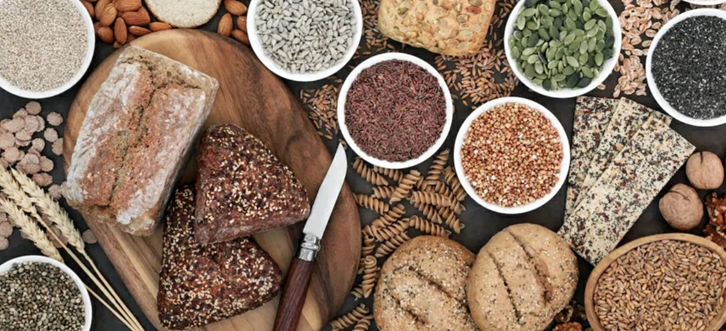
I am not sure what to make of the legions of people claiming that they react badly to grains. In my opinion, grains are unfairly vilified, and most people react to them just fine (presumably including many people who claim otherwise). However, I do not have a strong opinion here and I may be wrong.
Furthermore, grains contain a lot of refined carbohydrates (“bad carbs”), and high glycemic loads are “bad” (in the wrong context) because they cause intense insulin spikes. In the short term, this makes a lot of people tired and brain-foggy, and in the long term, this is not very conducive to metabolic health.
I discuss my approach to carbohydrates in more detail here.
Thoughts on legumes
Legumes are a great source of complex carbohydrates, fiber, and protein. However, legumes such as beans or peanuts also contain significant amounts of lectins. Other foods containing lectins are cashews, tomatoes, or potatoes.
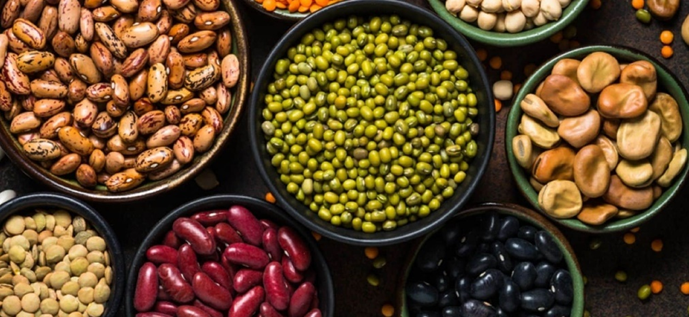
Lectins are proteins that have specific carbohydrate moieties attached to them. The immune systems of predisposed individuals possibly react badly to some of them, sometimes manifesting as lethargy, bloating, and a host of other non-specific symptoms.
In my opinion, like grains, most people react just fine to legumes and other lectin-containing foods. The initial bloating and gassing associated with legume consumption is likely a consequence of the introduction of new forms of dietary fiber, to which the microbiome usually adjusts with repeated consumption, but has in most cases probably little to do with an immunological reaction.
Sources & further reading
- Scientific review: Fructose and Sugar: A Major Mediator of Nonalcoholic Fatty Liver Disease
- Scientific review: The Health Benefits of Dietary Fiber
- Scientific review: The Advantages and Disadvantages of Artificial Sweeteners
Disclaimer
The content available on this website is based on the author’s individual research, opinions, and personal experiences. It is intended solely for informational and entertainment purposes and does not constitute medical advice. The author does not endorse the use of supplements, pharmaceutical drugs, or hormones without the direct oversight of a qualified physician. People should never disregard professional medical advice or delay in seeking it because of something they have read on the internet.