
Many people claim to feel “liberated” after they hop on semaglutide because the “food noise” is suddenly gone and being freed from background thoughts about food showed them how central food was to their life. In addition, many people get much less “visceral” enjoyment from eating. While some people miss the enjoyment of food, many others happily trade this in for having more mental energy for other things. I discuss my experience with semaglutide, and how it increased my productivity once I was on it, in more detail here.
Like hunger, libido serves a vital function in our lives. Nonetheless, for many people, thinking about sex (e.g., consequently watching porn) and how to get it (e.g., spending time on dating apps) takes up a lot of time that could (theoretically) be spent on other, more productive and fulfilling things. Because, like food, libido is central to many people’s identity, as rationalizing creatures more than rational ones we often defend it.
I myself spend a lot of time and mental energy chasing women only to often find out that if sex were completely off the table until I am in a relationship with them, there would be rarely someone I would want to meet for a second time because most women simply do not have the potential to pass my “friendship test”.
Anyway, a friend and I have been musing about an Ozempic for libido (credit for this idea goes to my friend!). Libido is largely under hypothalamic control, involving a number of specific neuropeptides (e.g., alpha-MSH) in addition to peripheral hormones – which is quite similar to hunger and appetite.
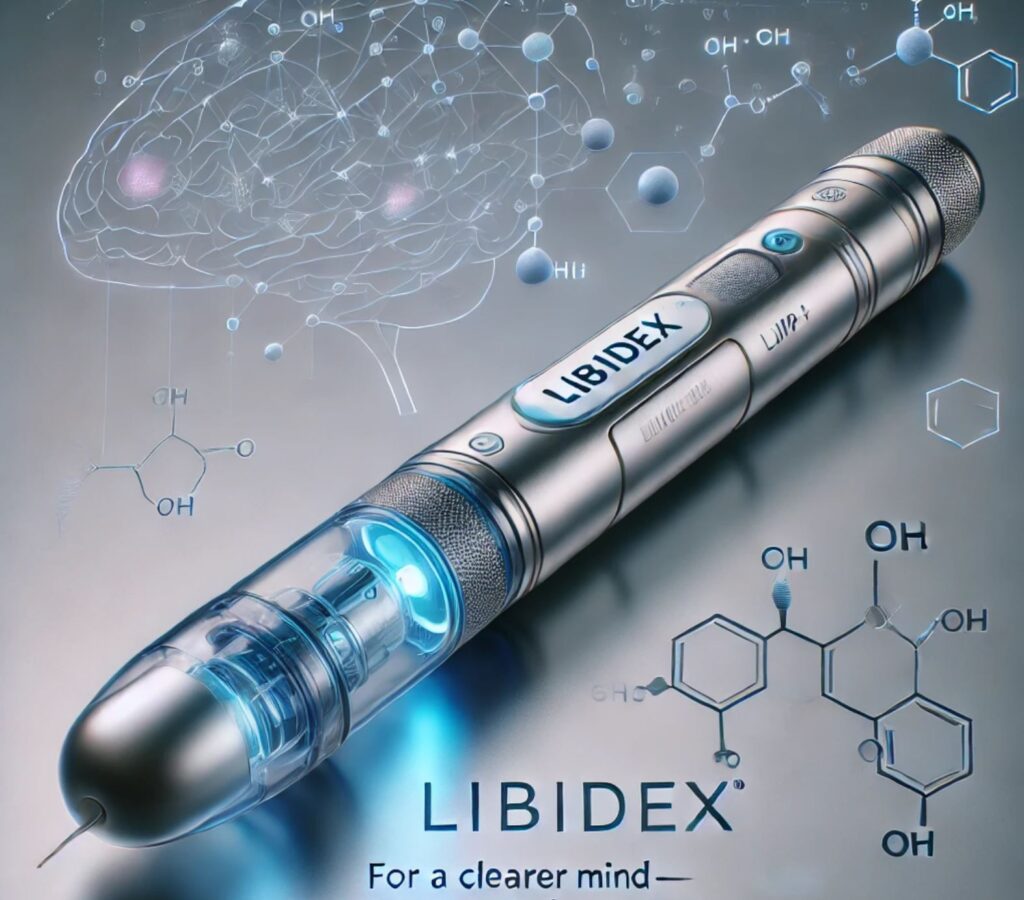
Initially, no serious scientist would have ever thought that going after a single G-protein coupled receptor would have such a huge and sustained effect on appetite and energy homeostasis, given that it is incredibly multifactorial and a lot of psychological, neural, and endocrine players are at play (e.g., insulin, leptin, ghrelin, CCK, PYY, GLP-1, T3, etc.). Libido is similar with a lot of psychological, neural, and endocrine cogs (e.g., estradiol, testosterone/DHT, progesterone, oxytocin, leptin, etc.). Given that targeting a highly multifactorial system worked very well for the appetite system, perhaps creating an Ozempic for libido is quite doable.
One could “officially” develop it for sex offenders who prefer targeted intervention over chemical castration, which has a lot of side effects as it usually means anti-androgen therapy.
While for many people sex is among their most enjoyable and favorite activities and most would not want to miss it, I do think that there is a market for people who want to focus and go “monk mode” for a couple of months (e.g., to build a business, to write a book) and at least for these times an Ozempic for libido would be highly useful.
Perhaps, similar to what many experience on Ozempic (for food), many people would find that they have a lot more energy for other things given that all the mental and physical energy that goes into everything related to sex (including caring a lot about one’s appearance) is now freed up.
For me, Ozempic was one of the greatest productivity hacks because I simply was not hungry anymore and I completely stopped thinking about food – something that, at least for me, persisted for long after stopping Ozempic. I could still enjoy classy meals, particularly if these meals had other things going for them other than just the meal (e.g., a great conversation, a cool environment). Likewise, on an Ozempic for libido, I could probably still enjoy sexual encounters but mostly if they mean something more than just the “fulfilling my drive” aspect.
Food cravings are usually targeted at evolutionary adaptive things, such as high caloric density, lots of quickly metabolizable energy (i.e., sugar), creaminess & mouthfeel (indicating fat content), etc. When cravings are present, they strongly affect our food choices in a way that was adaptive in our evolutionary past but may not be adaptive anymore today.
Similarly, lust does serve an important evolutionary function, and particularly for males (females seem to be somewhat different) it seems to be strongly directed at indicators of health & fertility, such as a certain hip-to-waist ratio, breast and buttocks shape and size, a neotenous face but sexually mature body, bouncy gate and animated facial expressions, etc.
In the same way that people make more wholesome food choices automatically on GLP-1 agonists, humans may make more wholesome partner choices if lust is reduced. As a thought experiment, if adopted on a population-wide level, this may radically change dating market dynamics (i.e., a switch from junk preferences to a preference for more wholesome female traits more in line with long-term happiness) in a similar way Walmart has seen a reduction in junk food sales after the wide adoption of GLP-1 agonists.
Weekly observations
I share two Weekly Observations in my newsletter every week, similar to the one above. You can find the full archive here.
Disclaimer
The content available on this website is based on the author’s individual research, opinions, and personal experiences. It is intended solely for informational and entertainment purposes and does not constitute medical advice. The author does not endorse the use of supplements, pharmaceutical drugs, or hormones without the direct oversight of a qualified physician. People should never disregard professional medical advice or delay in seeking it because of something they have read on the internet.